

The RiskTech Journal
The RiskTech Journal is your premier source for insights on cutting-edge risk management technologies. We deliver expert analysis, industry trends, and practical solutions to help professionals stay ahead in an ever-changing risk landscape. Join us to explore the innovations shaping the future of risk management.

The Case Against Taking a Supplier's Recovery Time on Faith
SIFMA and Protiviti reissued their paper on third-party resilience on October 6, eighteen months after the original. The standards for rebuilding systems, protecting backups, and testing recovery are largely the same. What changed is the clock. The update states that frontier AI models have materially changed the cyber threat environment and are compressing the time a firm has to identify, contain, and recover from a disruptive event.
That matters because of what the paper admits about the starting point. Critical suppliers have historically been reluctant to share details of their recovery capabilities, and when they do share, it is often clear they have not invested enough. Suppliers say they test recovery regularly without stating how often or showing results. They say they can recover within the client's targets without stating their own recovery time. Many of these suppliers serve most of the large financial institutions at once, so one supplier's unproven claim becomes an exposure for the whole sector.
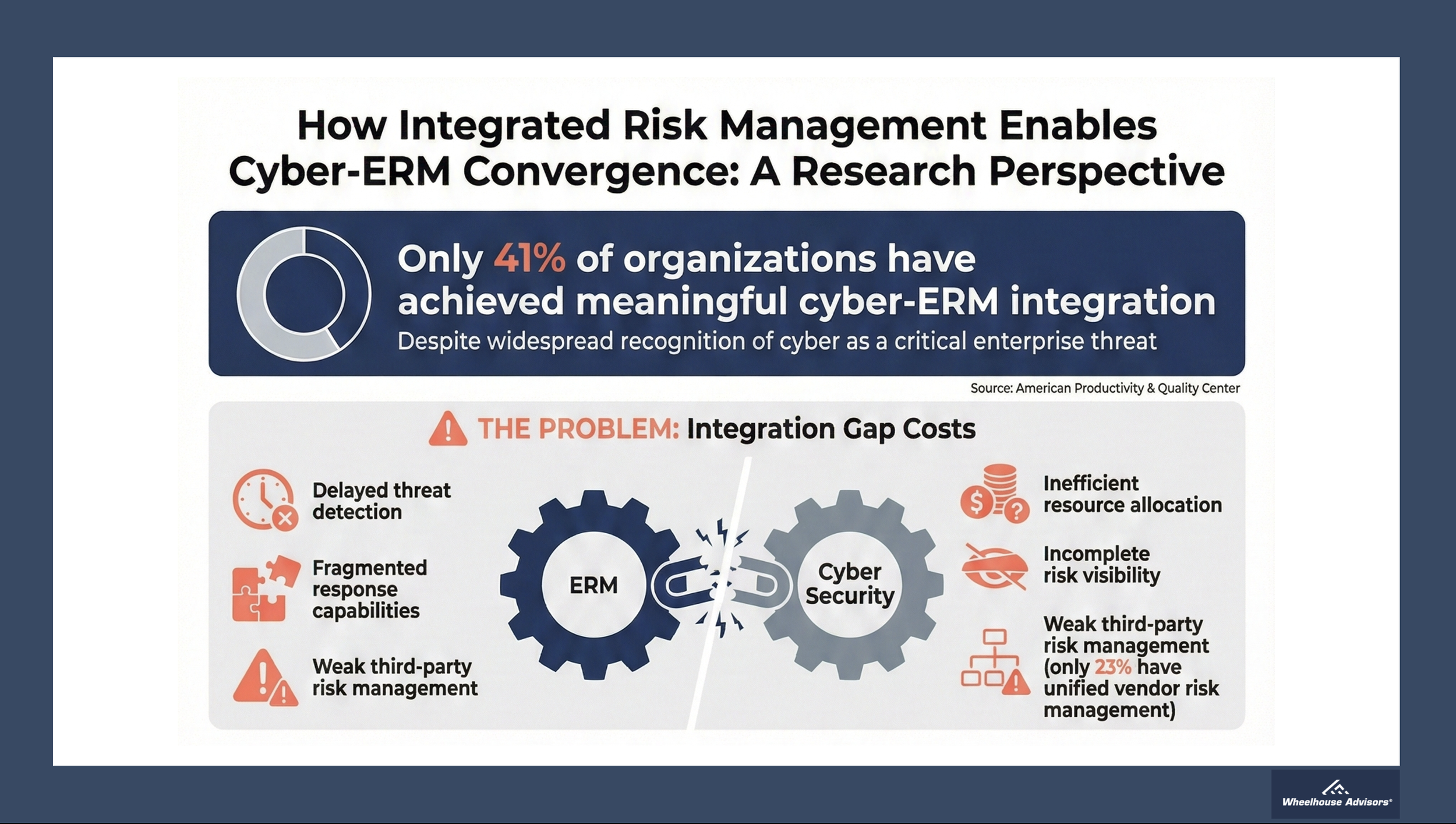
How Integrated Risk Management Enables Cyber-ERM Convergence
Recent research from the American Productivity & Quality Center reveals a sobering reality: only 41% of organizations have achieved meaningful integration between cybersecurity and enterprise risk management, and just 23% have unified third-party risk management. This gap persists despite widespread GRC platform adoption, revealing that compliance-first architectures cannot deliver the risk-first integration that cyber-ERM convergence requires. Integrated Risk Management provides the essential infrastructure to bridge this divide through its four-pillar framework: Performance, Resilience, Assurance, and Compliance.
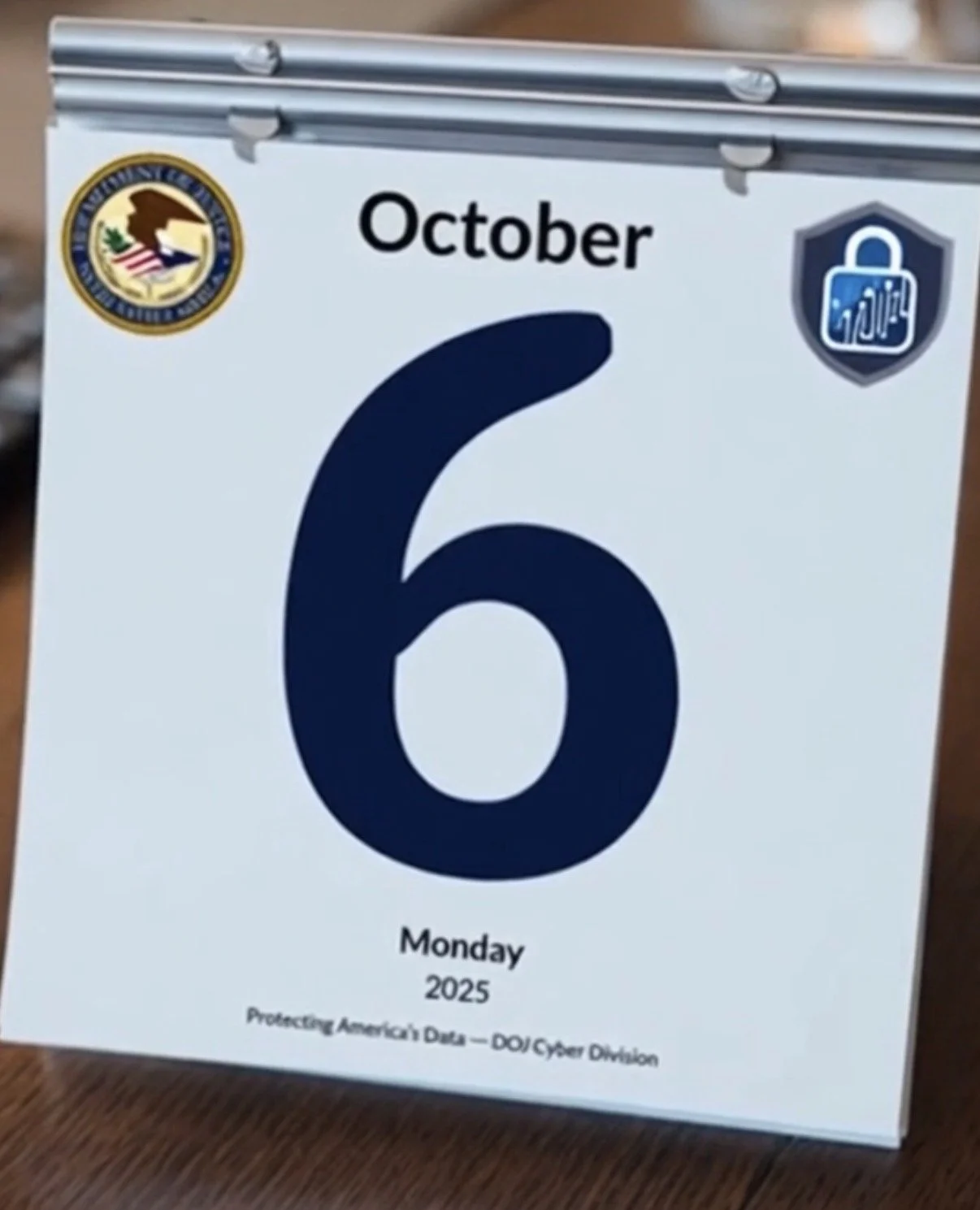
October 6: The Day U.S. Data Security Rules Get Real
Today marks a turning point for every organization that handles large volumes of U.S. personal or government-related data. The Department of Justice’s Data Security Program (DSP), authorized under Executive Order 14117, officially moves from guidance to enforcement. Starting October 6, 2025, companies that share sensitive U.S. data with foreign partners must have a written compliance program in place or face potential penalties. The rule is designed to stop bulk transfers of Americans’ sensitive information to countries that the U.S. deems national security risks.

No Manager, No Strategy—Why GRC Alone Can’t Win the Risk Game
If Governance, Risk, and Compliance (GRC) is like a team without a manager, IRM is the system that brings structure, alignment, and leadership to the field. Without a manager, even talented players operate in silos—doing what they think is best individually but without strategic coordination or shared purpose. That’s the reality in many organizations today: siloed compliance, governance, and risk functions acting without integration.
IRM provides the playbook and the leadership. It integrates GRC with Enterprise Risk Management (ERM), Operational Risk Management (ORM), and Technology Risk Management (TRM) to form a unified team—managed strategically, guided by data, and aligned around shared enterprise objectives.

The CISO Storm: Why the Role Must Evolve into the Chief Digital Risk Officer
The Chief Information Security Officer (CISO) is at the center of the storm—a whirlwind of cyber threats, regulatory demands, digital transformation, and fragmented risk management practices. Once a purely technical role, the CISO has been forced into a high-stakes balancing act, trying to secure not just IT infrastructure but the entire digital ecosystem of modern enterprises.
Meanwhile, cyber risk has become the defining business risk of the digital age. Yet, most organizations still treat the CISO as an IT specialist rather than a true enterprise risk leader. The problem isn’t just how CISOs are perceived—it’s that they are stuck in a broken system.