

The Risk Wheelhouse Podcast
The Risk Wheelhouse is the podcast dedicated to exploring how RiskTech is reshaping the future of risk management. Hosted by our experts, Ori Wellington and Sam Jones, each episode delves deep into Integrated Risk Management (IRM), offering insights into the latest trends, technologies, and strategies. Join us to stay ahead in the ever-evolving risk landscape and empower your organization with actionable knowledge.
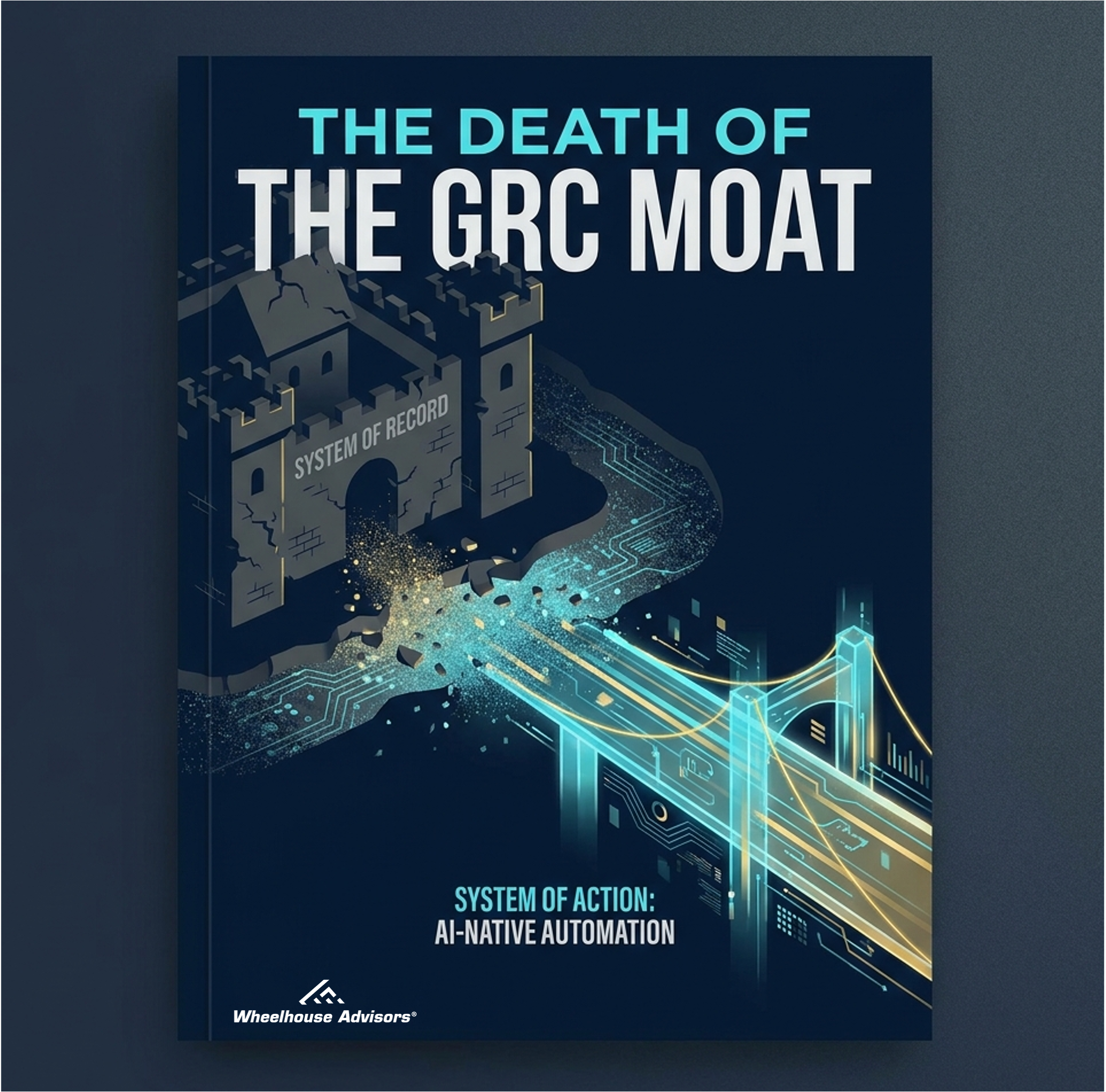
S8E4: The Death of the GRC Moat
That million dollar GRC pricing sheet on your screen might be selling you the digital equivalent of a 1980s filing cabinet. We pull apart why governance, risk, and compliance software suddenly looks like a gold rush in 2026, and why the old buying signals no longer work. The key shift: storing and linking risk data is largely a commodity, and even “enterprise hardening” security features are increasingly just cloud configuration. If a vendor’s big flex is secure storage plus a polished dashboard, we explain why that’s not a premium platform anymore.
S7E1: The Delve Collapse And The New Rules Of Enterprise Trust
A $300 million compliance darling collapsed not because regulators caught it, but because an anonymous Substack writer found a publicly accessible Google spreadsheet. Delve promised SOC 2 in days instead of months, raised a $32 million Series A from Insight Partners, and signed more than 1,000 enterprise clients across 50 countries. Then the whistleblowers alleged the product fundamentally didn't work as described — that Delve's agents were generating auditor conclusions before client data was even reviewed, and routing the output through offshore mills to rubber-stamp the results.
In the Season 7 premiere, Ori Wellington and Sam Jones dissect the anatomy of the failure and argue it is not an isolated fraud story. It is the predictable outcome of a market that rewards the announcement of agentic GRC capabilities while ignoring the program maturity that makes those capabilities trustworthy.
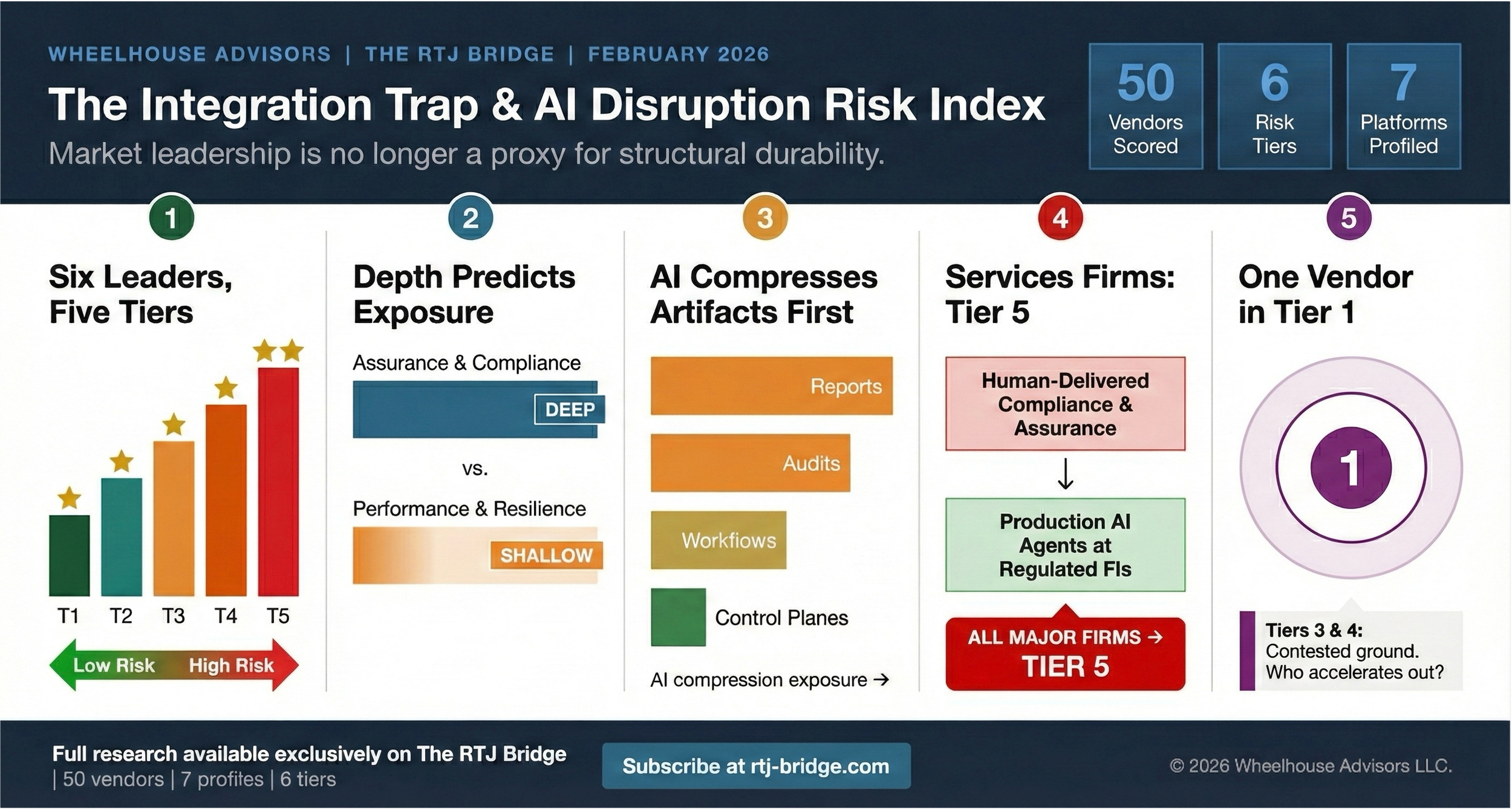
S6E7: AI Upends GRC - From Clipboards To Control Planes
What happens when the firm that helped define integrated risk management turns a critical lens on the category's foundations?
In this episode, analysts Ori Wellington and Sam Jones preview two major Wheelhouse Advisors research publications: The Integration Trap for GRC and the IRM50 AI Disruption Risk Index. The data reveals a surprising finding: when 50 IRM vendors are scored on structural exposure to AI disruption, market leadership and market durability turn out to be very different things.
At the heart of the analysis is what Wheelhouse calls the Integration Trap. Many established platforms excel at compliance documentation and assurance reporting but were never architected for real-time operational control. That distinction matters now more than ever. Agentic AI does not need dashboards or user interfaces. It needs APIs and control planes. Vendors with deep operational DNA are naturally positioned for this shift, while those built primarily around human workflows face difficult architectural decisions.