New Capgemini research finds that enterprise AI expenditures are exceeding expectations while organizations struggle to measure the full cost of delivering successful outcomes. The findings suggest that AI economics is becoming an important requirement for Integrated Risk Management, not simply a technology budgeting exercise.
Enterprise investment in artificial intelligence continues to accelerate, but the management disciplines necessary to establish its economic value are struggling to keep pace. Organizations have become increasingly sophisticated at monitoring AI consumption, negotiating model pricing, and allocating technology budgets. Yet many still cannot reliably determine how much it costs to produce a successful AI-assisted business outcome.
A new study from the Capgemini Research Institute provides evidence of this problem. Published November 12, the research surveyed 500 senior executives at organizations with annual revenue exceeding $1 billion across 10 countries. Among respondents, 59% reported that AI expenditures during the preceding year were significantly higher than expected or budgeted. For those organizations, spending exceeded expectations by an average of 24%.1
Perhaps more revealing, only one in five organizations calculates what Capgemini calls AI Yield, a measure of verified AI-assisted business value after accounting for the full cost of delivering the outcome safely. The distinction matters because the cost of generating an AI response is not necessarily the cost of completing the business activity that response supports.
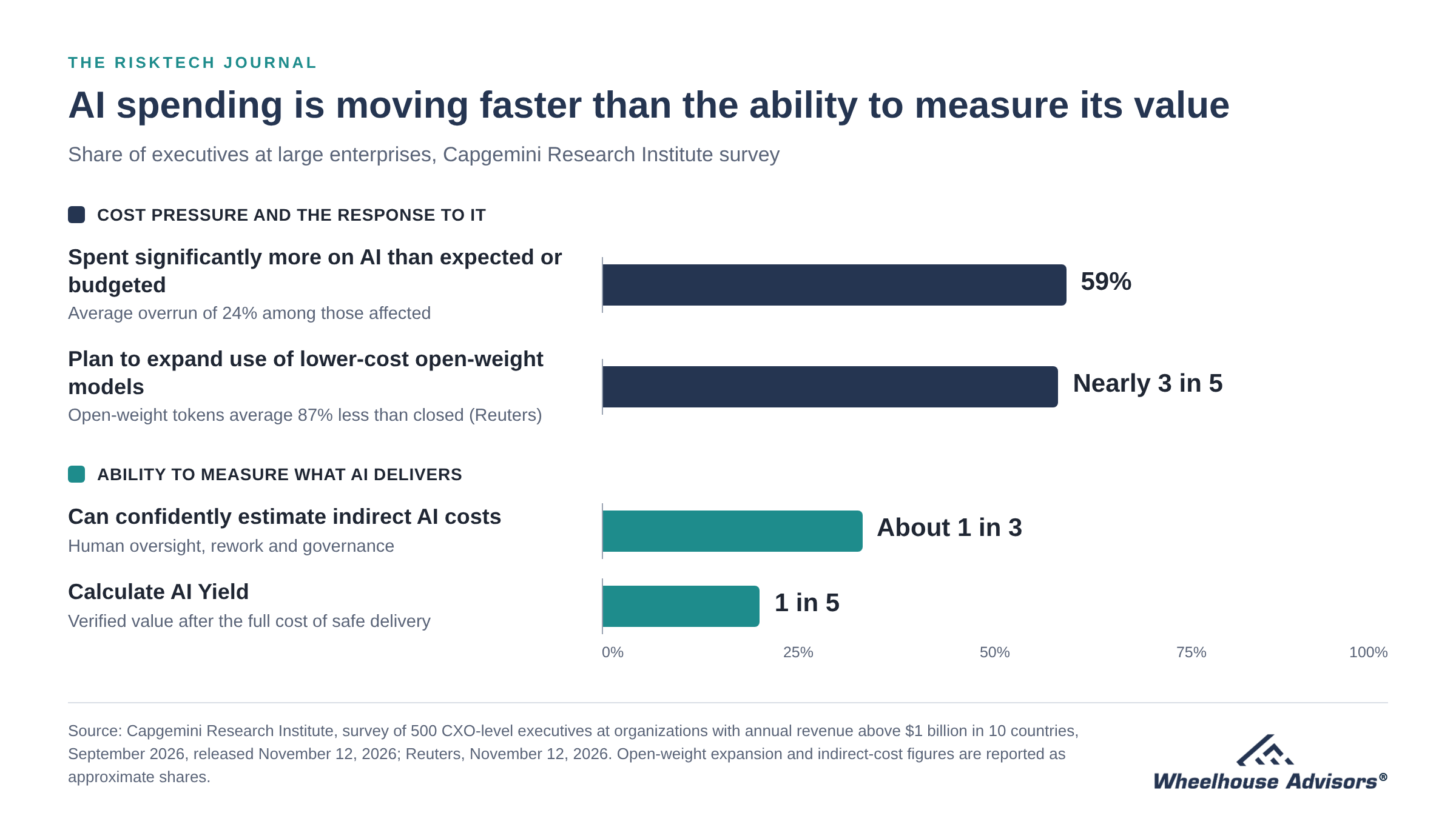
Figure 1. Source: Capgemini Research Institute and Reuters, November 12, 2026.
The limitations of technology-centric cost management
One response to escalating AI expenditures is to reduce the cost of the underlying models. Capgemini found that nearly three in five executives intend to expand their use of open-weight models, which may offer considerably lower inference costs than proprietary alternatives. Reuters reports that Capgemini estimates average open-weight token costs to be 87% lower than those of closed models.2
That difference creates a compelling economic incentive, particularly for organizations processing large transaction volumes. However, reducing inference costs does not necessarily improve the profitability or effectiveness of an AI-enabled business Process.
Consider an insurance organization using AI to support claims processing. A less expensive model might reduce the cost of reviewing documentation, interpreting policy provisions, and preparing recommendations. However, if the model generates more exceptions, requires additional human review, or produces decisions that need correction, the apparent savings may be offset by increased operational expenses.
The organization must also account for the cost of maintaining appropriate controls, investigating errors, protecting sensitive information, and satisfying regulatory obligations. These expenditures are not incidental to the economic analysis. They are part of the cost of delivering an acceptable business outcome.
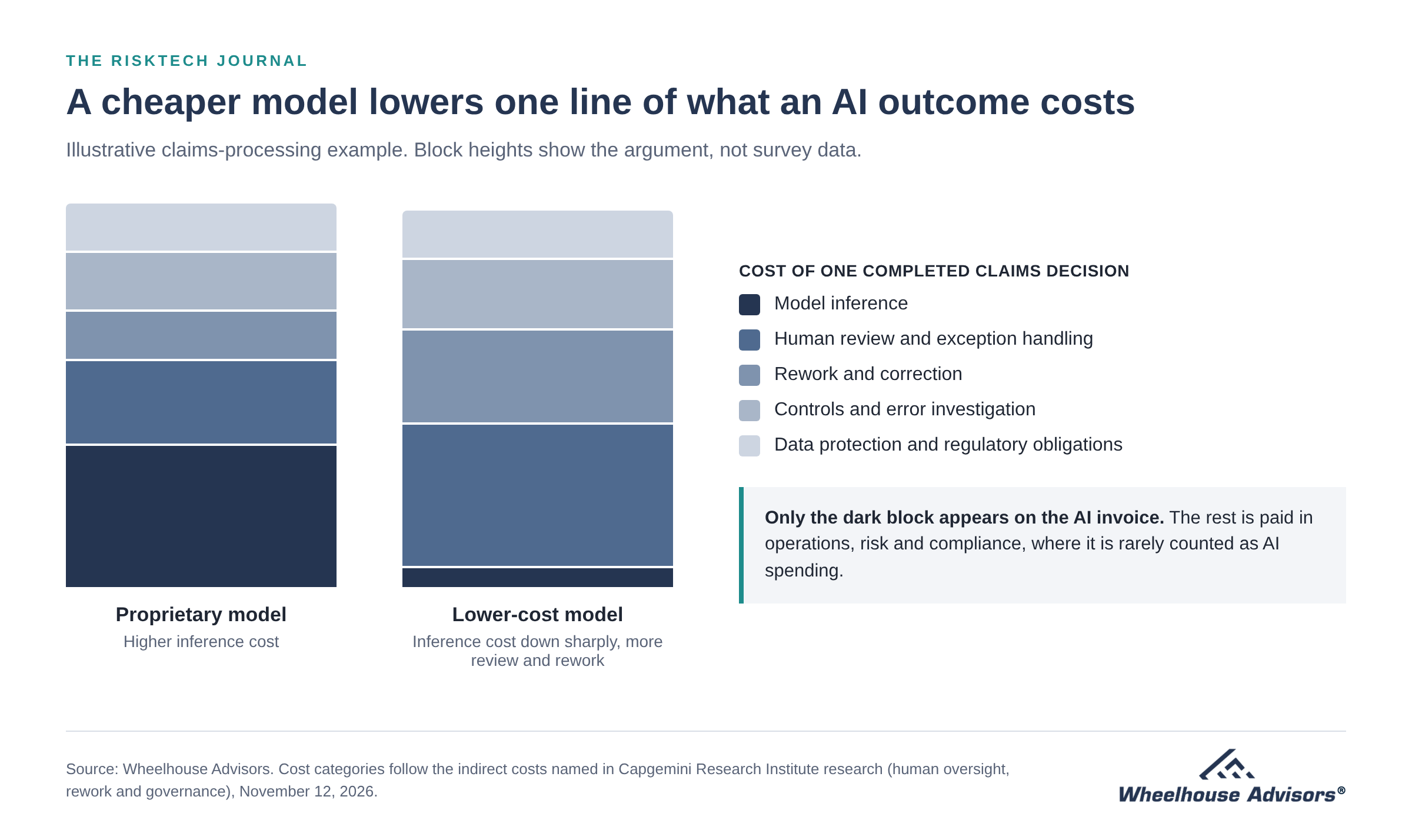
Figure 2. Illustrative claims-processing example. Source: Wheelhouse Advisors.
Capgemini’s findings suggest that many enterprises have not yet developed this perspective. Only approximately one-third of surveyed executives could confidently estimate indirect AI costs, including human oversight, rework, and governance. Moreover, many organizations could not directly connect AI spending with verified successful outcomes.1
AI economics requires a unified management perspective
The economic performance of an AI application depends upon more than the technology used to produce its outputs. It also depends upon the business Process being performed, the resources required to complete it, the risks introduced by automation, and the quality of the resulting decisions.
These relationships are familiar territory for Integrated Risk Management.
Enterprise Risk Management should help establish whether AI investments support strategic objectives and remain consistent with acceptable risk appetite. Operational Risk Management should evaluate how automation affects process efficiency, service quality, dependencies, and the consequences of failure.
Technology Risk Management must address the reliability, security, and availability of the supporting models and infrastructure. Governance, Risk and Compliance must establish whether relevant Policies, controls, and obligations are operating effectively, supported by credible evidence.
Each discipline contributes information necessary for an informed investment decision. Evaluating them independently, however, can produce an incomplete assessment of economic value.
An organization might report substantial productivity improvements while excluding the costs of exception handling and remediation. Another may demonstrate strong technical performance without establishing that the resulting business decisions are appropriate. A third may maintain extensive AI governance procedures without understanding whether those activities are proportionate to the underlying exposure.
The challenge is not simply consolidating these measurements into another executive dashboard. It is connecting the information with the management decisions responsible for allocating capital, selecting technology, defining acceptable performance, and determining where automation should be applied.
This is consistent with the IRM Navigator™ Model developed by Wheelhouse Advisors.3 Its four executive objectives, Performance, Resilience, Assurance, and Compliance, provide complementary perspectives for evaluating whether technology investments produce sustainable enterprise value.
In this context, Performance should encompass the quality and economics of completed business activities, not merely their speed or the consumption of computing resources. Resilience addresses the enterprise’s ability to maintain acceptable operations when AI systems fail or produce unexpected results. Assurance establishes whether reported outcomes can be independently substantiated, while Compliance addresses the requirements governing their execution.
A unified assessment can help management distinguish between an AI application that is inexpensive to operate and one that is genuinely valuable to the business.
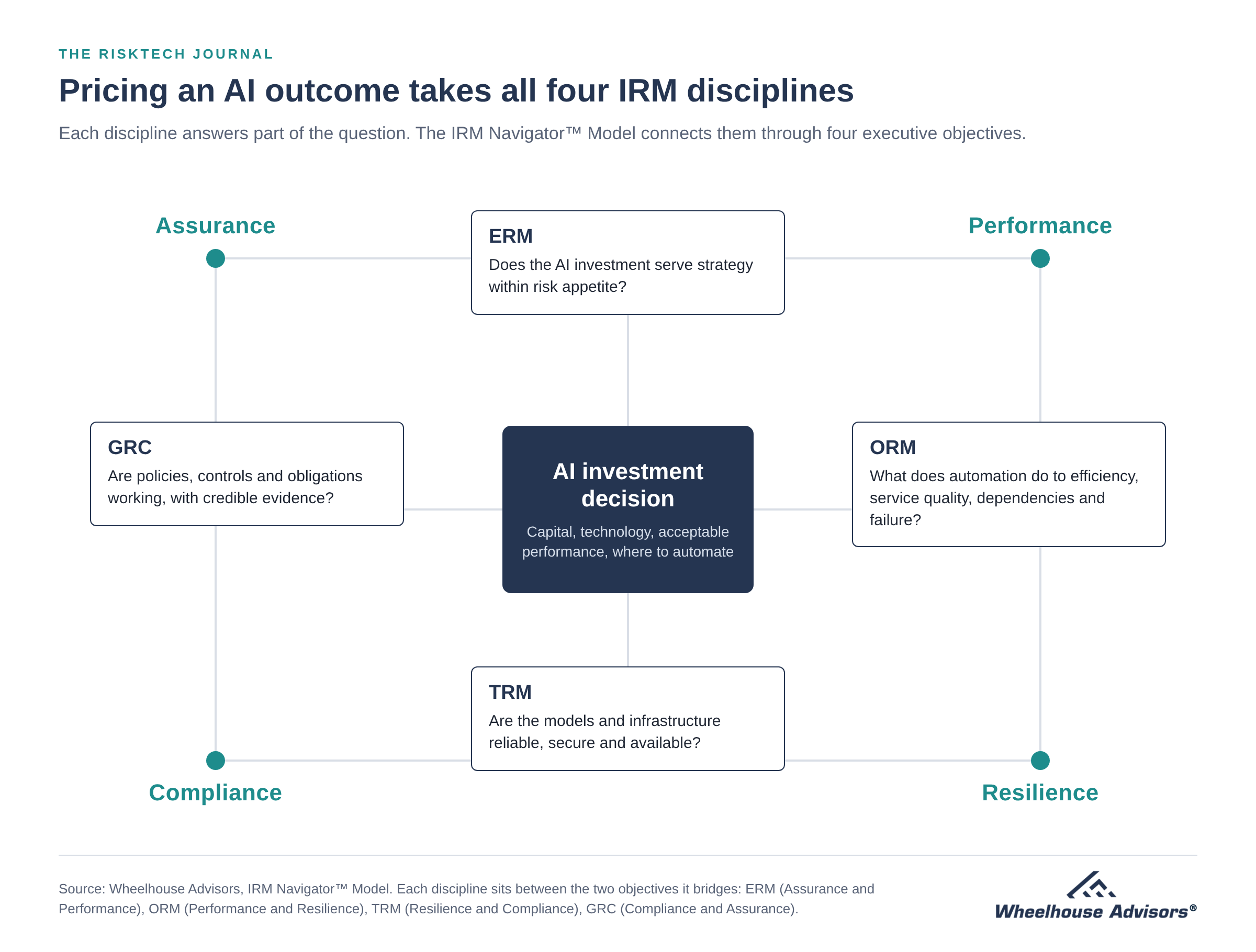
Figure 3. Source: Wheelhouse Advisors, IRM Navigator™ Model.
Implications for the RiskTech market
The findings also have implications for providers developing AI-enabled risk management capabilities.
RiskTech vendors increasingly emphasize the ability of their AI agents to perform assessments, analyze documents, generate findings, and automate compliance workflows. These capabilities may improve productivity, but the number of activities automated is not sufficient evidence of business value.
Enterprise buyers should examine the cost of completing an activity successfully, including the resources required for validation, correction, escalation, and independent review. Providers should also demonstrate how their technology measures the quality of resulting decisions and connects those measurements with the business objectives the activity supports.
For Autonomous IRM, the requirement becomes even more important. As systems receive greater authority to perform consequential activities, management must understand not only whether those activities remained within established control boundaries, but whether their economic and operational consequences were acceptable.
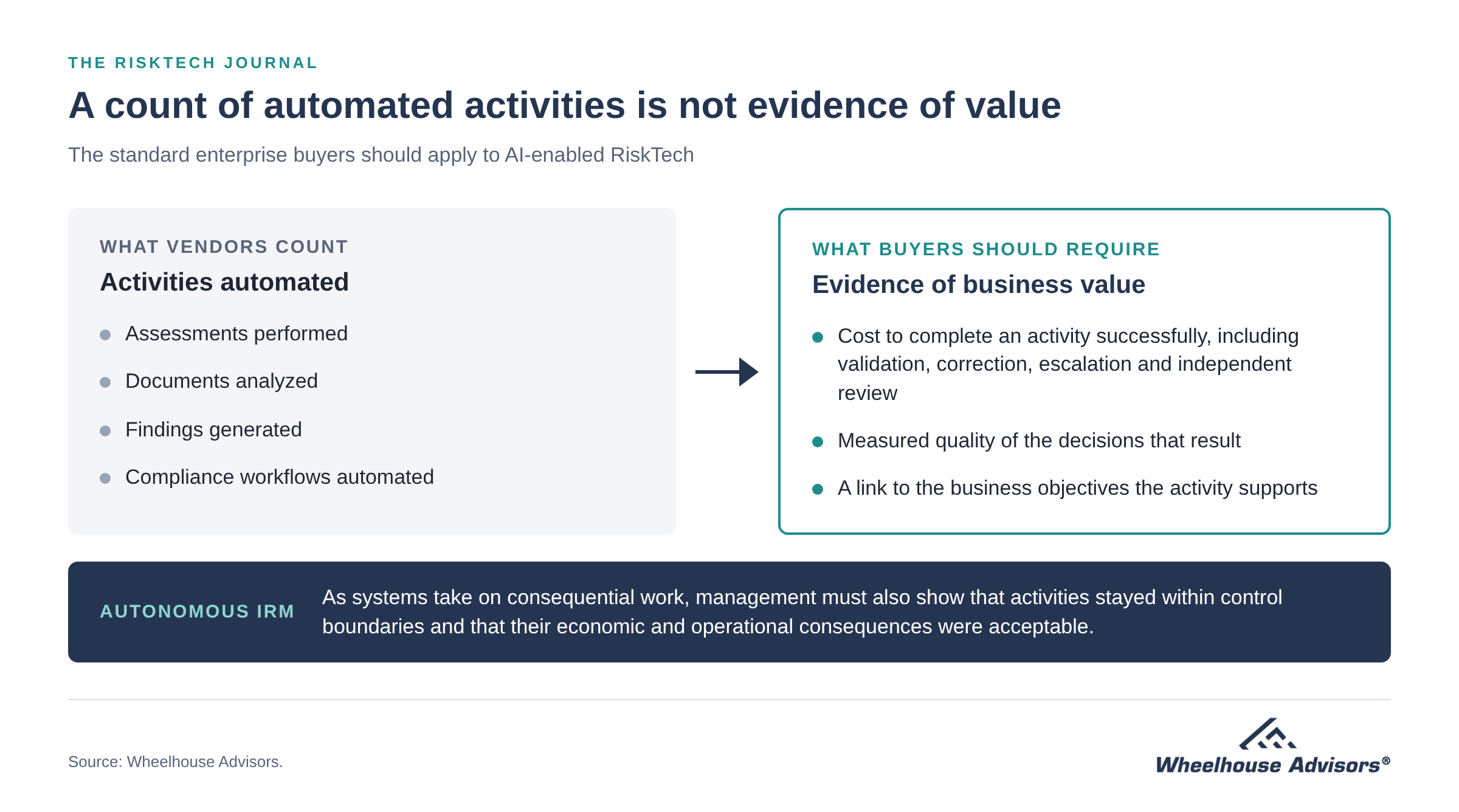
Figure 4. Source: Wheelhouse Advisors.
This creates opportunities for RiskTech providers capable of connecting AI execution information with authoritative business and risk management data. It also creates a more demanding standard for evaluating claims of improved efficiency and return on investment.
How Wheelhouse Advisors can help
Wheelhouse Advisors can help enterprises evaluate AI investments through the IRM Navigator™ Model, connecting technology capabilities with the Goals, Processes, Assets, and Policies governing their use. Our independent research and advisory services can assess whether existing RiskTech investments provide the information, controls, and integration necessary to establish credible business outcomes. For technology providers and institutional investors, the IRM50 and Vendor Compass research programs offer a basis for distinguishing demonstrable enterprise value from improvements in technical efficiency alone.
From AI consumption to enterprise value
Capgemini’s research illustrates an important development in enterprise AI adoption. Organizations increasingly recognize that controlling model costs is necessary, but insufficient, to establish sustainable economic value.
The next stage of AI investment management requires greater discipline in measuring successful outcomes, accounting for the full cost of achieving them, and evaluating the consequences of automation across the enterprise.
Integrated Risk Management has an important role in establishing those relationships. Its contribution is not to make every AI investment less expensive, but to help management determine which investments produce acceptable value, under what conditions, and with what level of confidence.
Ultimately, the economic success of enterprise AI should be measured by the business outcomes it delivers, not simply the resources it consumes.
References
1. Capgemini Research Institute. November 12, 2026. Most Organizations Plan to Adopt a Multi-Model AI Strategy, as Nearly Six in Ten Faced Significantly Higher AI Costs Than Expected. Primary research announcement.
2. Marchandon, Leo. Reuters. November 12, 2026. Most Large Firms Plan Higher Open-Weight AI Use to Cap Bills, Study Shows. Independent reporting.
3. Wheelhouse Advisors. January 22, 2026. IRM Navigator: The Operating Model for Integrated Risk Management. Wheelhouse research.