S8E2: How To Spot Real Autonomous AI In GRC Buying
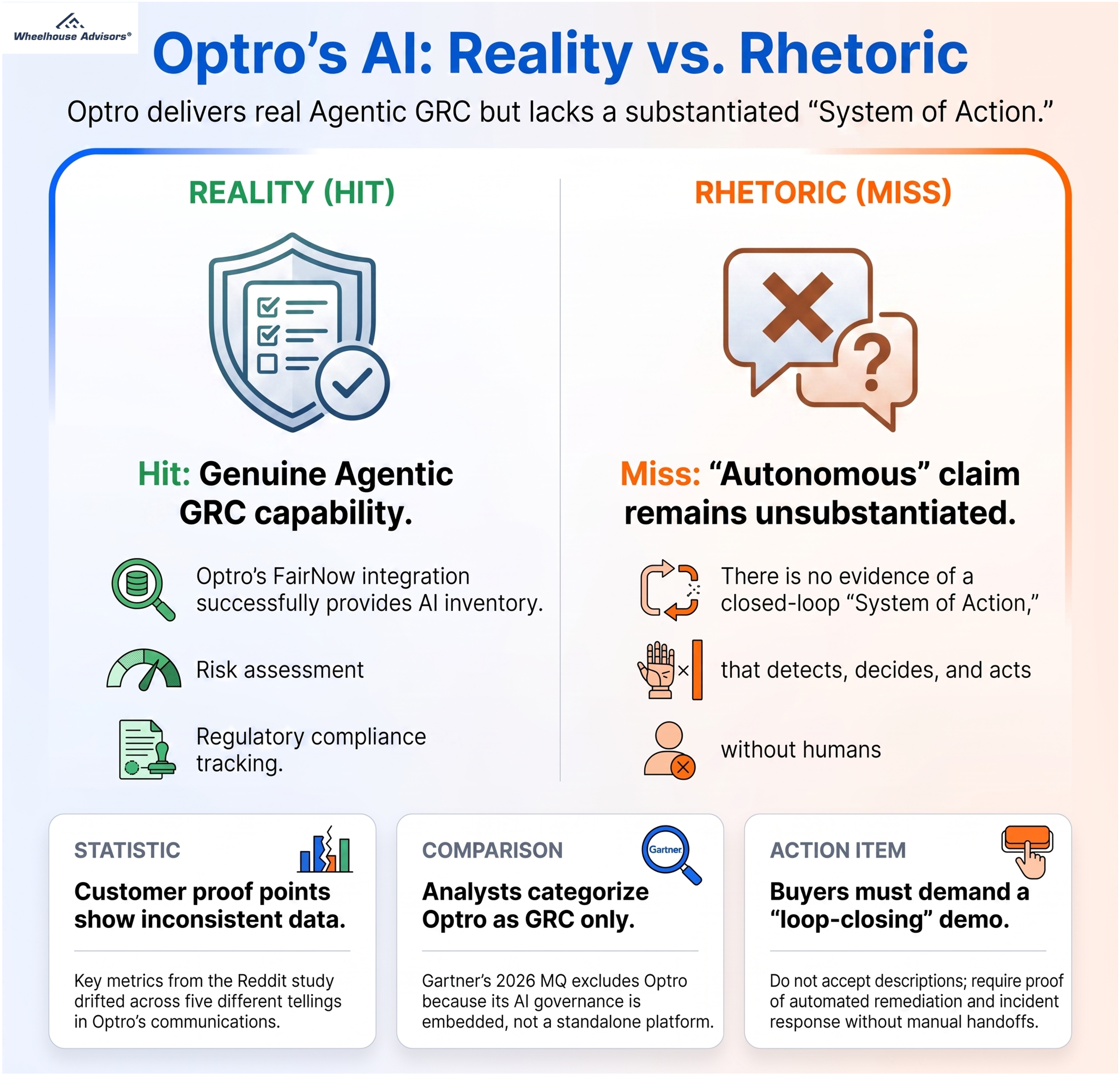
“Autonomous AI” is not a vibe, it’s an architectural promise. When a vendor tells you their GRC platform can run compliance, risk, and controls without humans, they’re claiming a system of action: detect, decide, act, and verify in a closed loop. We dig into a sharp Wheelhouse Advisors report on Optro’s acquisition of Midship to separate what’s real from what’s merely well-written.
We start with the IRM Navigator Model and the three layers buyers should always map to: system of record (storage), system of engagement (workflows and approvals), and system of action (autonomous execution). Then we stress-test the “why not just automate it?” assumption with a concrete security example where an AI “fix” can accidentally take down payments, trigger outages, or create new legal exposure. In GRC and SOX testing, context and liability are the hidden constraints that marketing decks rarely mention.
From there, we give Optro credit where it’s earned: FairNow brings meaningful AI governance capabilities like AI inventory, model risk assessment, third-party AI risk tracking, and automated audit artifacts. The controversy begins when “agentic GRC” gets rebranded as “autonomous,” and Wheelhouse follows the evidence. We track how a customer case study’s numbers drift across five tellings, why pre-acquisition proof does not validate an integrated platform claim, and what the architecture reveals when analysts ask the uncomfortable question: where is the remediation and verification loop?
You’ll leave with a practical buyer playbook, three diligence questions to use in your next vendor meeting, and a simple demo standard that cuts through buzzwords. If this helped you think more clearly about autonomous AI, AI governance platforms, and enterprise risk management, subscribe, share the episode with a teammate, and leave a review.
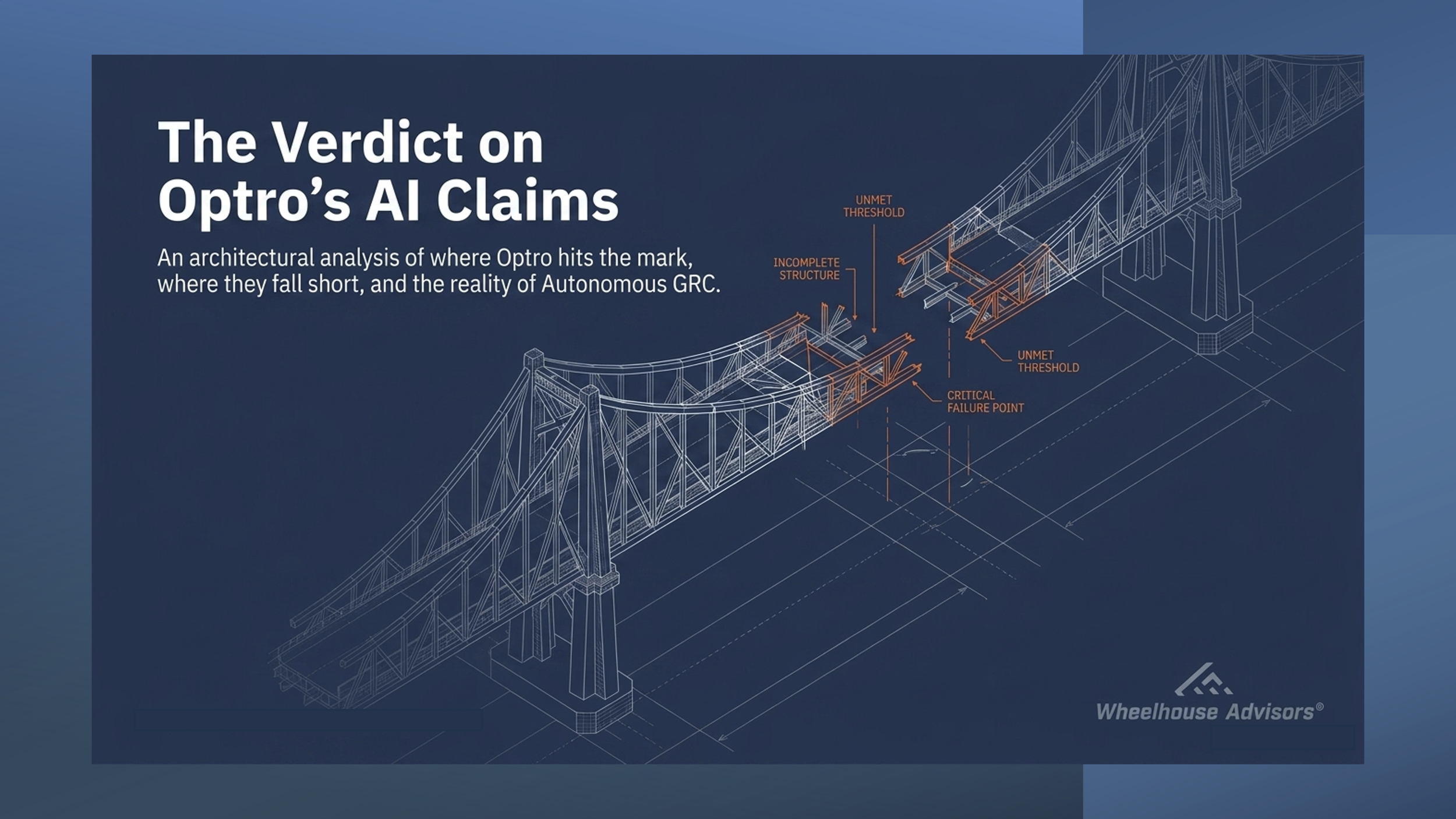
Executive Research Brief - The Verdict on Optro's AI Claims
An architectural analysis of where Optro hits the mark, where it falls short, and the reality of Autonomous GRC.
Companion research discussed in this episode
Prefer visuals? The executive briefing below summarizes the analysis discussed in this episode with nine presentation-ready graphics.
What's Covered
Agentic GRC versus Autonomous Systems of Action
The IRM Navigator Model and the architectural boundary
Where Optro's AI governance claims are credible
Why the autonomous loop remains incomplete
Evidence drift across five public tellings
A buyer framework for evaluating autonomous AI claims
Visit www.therisktechjournal.com and www.rtj-bridge.com to learn more about the topics discussed in today's episode.
Subscribe at Apple Podcasts, Spotify, or Amazon Music. Contact us directly at info@wheelhouseadvisors.com or visit us at LinkedIn or X.com.
Our YouTube channel also delivers fast, executive-ready insights on Integrated Risk Management. Explore short explainers, IRM Navigator research highlights, RiskTech Journal analysis, and conversations from The Risk Wheelhouse Podcast. We cover the issues that matter most to modern risk leaders. Every video is designed to sharpen decision making and strengthen resilience in a digital-first world. Subscribe at youtube.com/@WheelhouseAdv.