

The RiskTech Journal
The RiskTech Journal is your premier source for insights on cutting-edge risk management technologies. We deliver expert analysis, industry trends, and practical solutions to help professionals stay ahead in an ever-changing risk landscape. Join us to explore the innovations shaping the future of risk management.
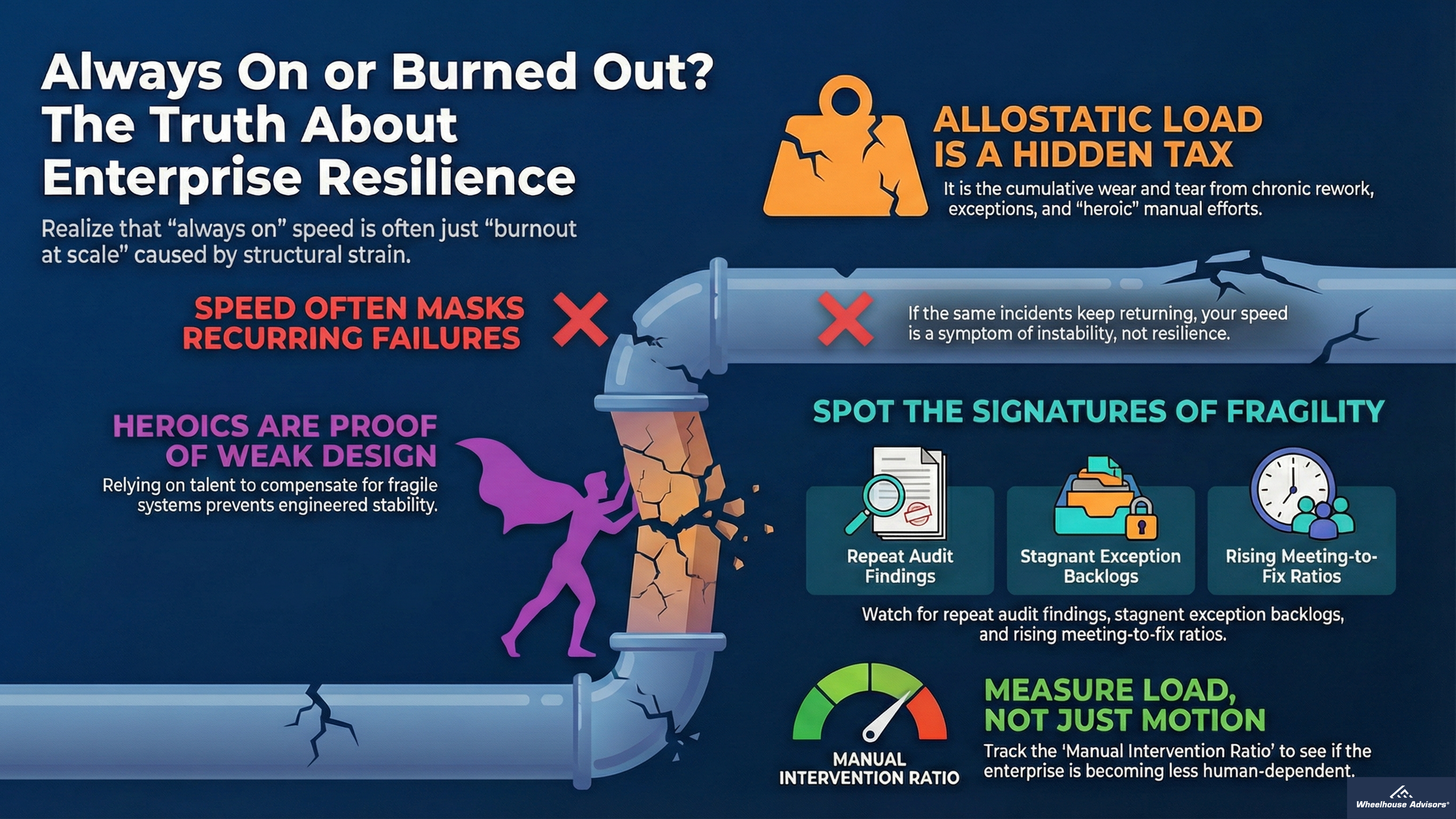
Reality Check: The “Always On” Enterprise Can Burn Itself Out
The market is falling in love with the idea of the “homeostatic enterprise,” an organization that continuously senses drift and continuously corrects. It sounds like the end of quarterly risk theater and the start of real-time resilience.
But here is the uncomfortable truth. Many organizations are already “always on,” and they are not stable. They are exhausted.
They survive through constant adaptation, nonstop escalation, and a culture that rewards heroic recovery over engineered stability. Over time, that chronic strain becomes a structural condition. In stress science, the cumulative wear and tear is called allostatic load. In organizations, it shows up as chronic rework, exception overload, control debt, and a widening gap between effort and outcomes.
The risk for leaders is obvious: you can modernize sensing and orchestration and still make the enterprise worse by accelerating the machine that is already burning people and processes down.

RiskTech Buyer Trap - When “Next Gen SaaS” Signals Foundation Rebuild, Not Integration Maturity
The GRC and broader RiskTech platform landscape is in a visible transition cycle. Several large vendors are rebranding portfolios, introducing AI capabilities, and emphasizing SaaS-first delivery and modern user experiences. Buyers often interpret these moves as a direct signal of near-term integration maturity, faster operational embedding, and “out of the box” IRM outcomes.
That interpretation can be costly.
The more reliable buyer lens is to recognize that platform modernization usually follows a sequenced transformation path, and integration maturity tends to become repeatable only after the new baseline stabilizes across SaaS delivery, experience, and extensibility.
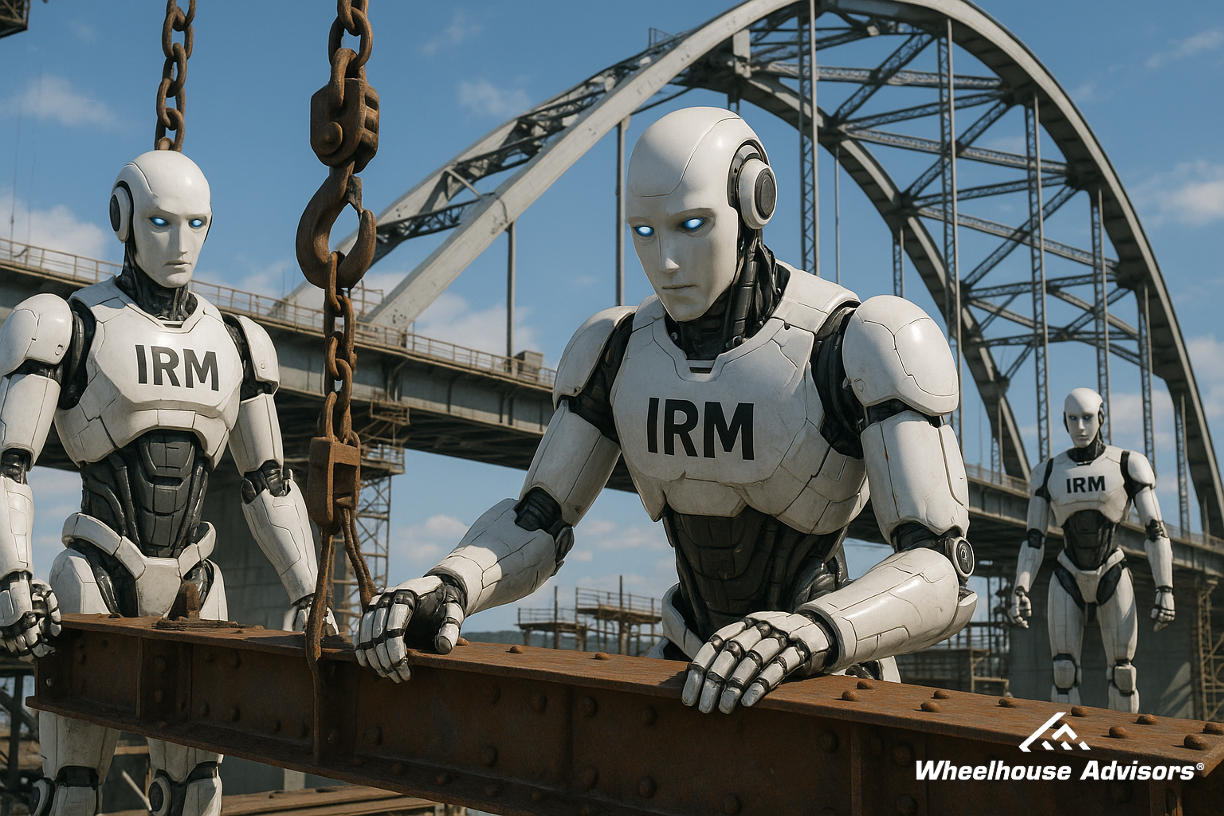
Autonomous IRM, Investor Confidence, Cyberinsurance Risks, and Analyst Failures: Exclusive Insights from The RTJ Bridge
The landscape of risk management technology is undergoing rapid transformation, driven by advanced artificial intelligence, shifting investor priorities, and increasingly sophisticated cybersecurity threats. While many risk professionals rely on general market reports and commentary, actionable and forward-looking insights remain scarce. Subscribers to The RTJ Bridge, the premium insights platform from Wheelhouse Advisors, have early and exclusive access to proprietary analysis, data-driven recommendations, and strategic perspectives unmatched elsewhere.

The Great Risk Revolution—Why GRC Alone Can't Save Your Organization
In boardrooms across the globe, a quiet revolution is underway. Organizations that once viewed risk management primarily through the lens of Governance, Risk, and Compliance (GRC) are discovering—often the hard way—that yesterday's frameworks are increasingly inadequate for today's complex threat landscape.
Consider this. When the World Economic Forum recently surveyed global executives, the most pressing concerns they identified—from AI disruption to supply chain vulnerabilities—weren’t neatly contained within traditional GRC boundaries. These risks cascade across organizational silos, render conventional approaches obsolete, and demand a fundamentally different way of thinking about organizational resilience.