

The RTJ Bridge - The Research Platform Created by the Publishers of The RiskTech Journal
The RTJ Bridge is an independent research platform delivering institutional-grade IRM market intelligence, vendor competitive assessments, and strategic risk technology analysis. Built by the analyst who created the Integrated Risk Management category at Gartner, The RTJ Bridge gives risk leaders, technology executives, and solution providers the same caliber of competitive intelligence that major analyst firms charge $25,000 to $50,000+ per year to access.
Subscribers to The RTJ Bridge receive full access to:
IRM50 OnWatch Vendor Assessments — Competitive analysis of leading IRM vendors as market events unfold, covering platform strategy shifts, M&A impact, earnings signals, and positioning changes.
Autonomous IRM and AI Governance Research — Original research on how agentic AI is reshaping risk management operating models, from production deployment patterns to the structural implications for vendor platforms and enterprise programs.
Analyst Firm and Market Critiques — Independent assessments of research from Gartner, Forrester, and other major analyst firms, viewed through the IRM Navigator Model to identify gaps, validate signals, and challenge conventional positioning.
Board Governance and Audit Committee Intelligence — Research on oversight effectiveness, emerging risk response gaps, audit committee workload challenges, and the disconnect between risk reporting and executive action.
M&A and Strategic Alliance Analysis — Same-week analysis of acquisitions, partnerships, and PE investment moves reshaping the IRM competitive landscape, with implications for buyers, vendors, and investors.
Regulatory, ESG, and Sustainability Risk — Research on how evolving regulatory frameworks (SEC cyber disclosure, EU CSRD/CSDDD, AI regulation) affect enterprise risk programs and technology requirements.
IRM Navigator™ Market Intelligence — Strategic previews and deep dives from the IRM Navigator Model, the only independent model built specifically to evaluate integrated risk management maturity and vendor alignment.
Cyber Risk, Insurance, and Third-Party Risk — Analysis of cyber risk quantification, insurance market dynamics, and the convergence of third-party risk management into enterprise IRM programs.
Subscribe to get access now
The RTJ Bridge is an independent IRM research platform published by Wheelhouse Advisors. Subscribers receive ongoing access to vendor competitive assessments, AI disruption analysis, M&A and partnership impact research, and IRM Navigator™ market intelligence. This is the only research platform built and led by the analyst who created the Integrated Risk Management category, a market now valued at over $61 billion and projected to reach $133 billion by 2031.

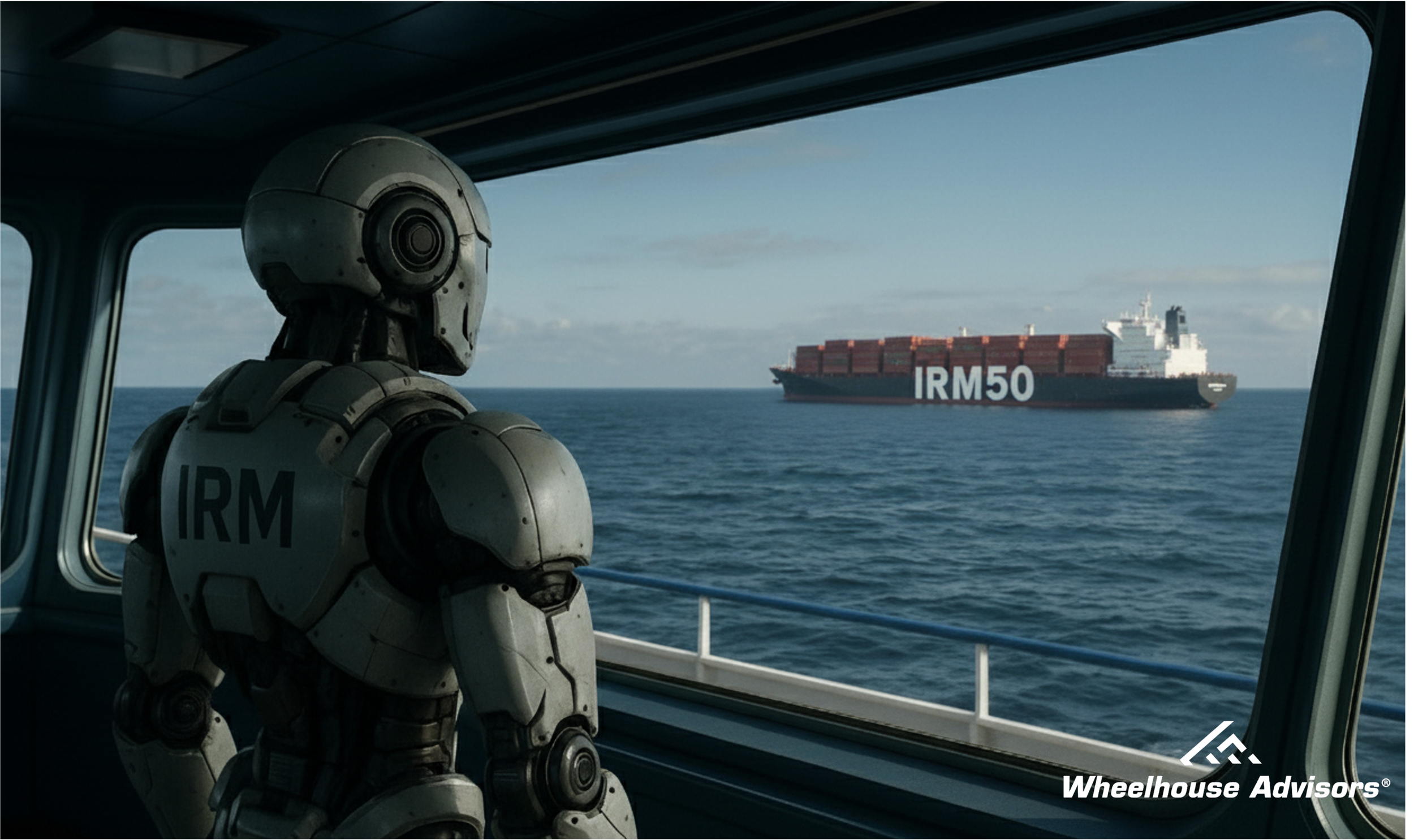
IRM50 OnWatch: Signals Include Governance Pressure, AI Adoption Proof Points, and Human-in-the-loop Design
Governance risk moved to the foreground as an activist investor disclosed a roughly 2 percent stake in Workiva and called for board and capital allocation changes. AI adoption signals remained strong, anchored by a visible at-scale activation of watsonx with ESPN and a sell-side upgrade that reframed ServiceNow’s near-term AI execution. Product direction indicators surfaced at Archer with Evolv portfolio additions and an explicit human-in-the-loop design stance, while OneTrust reported dated momentum markers that should be treated as viability signals pending customer corroboration.
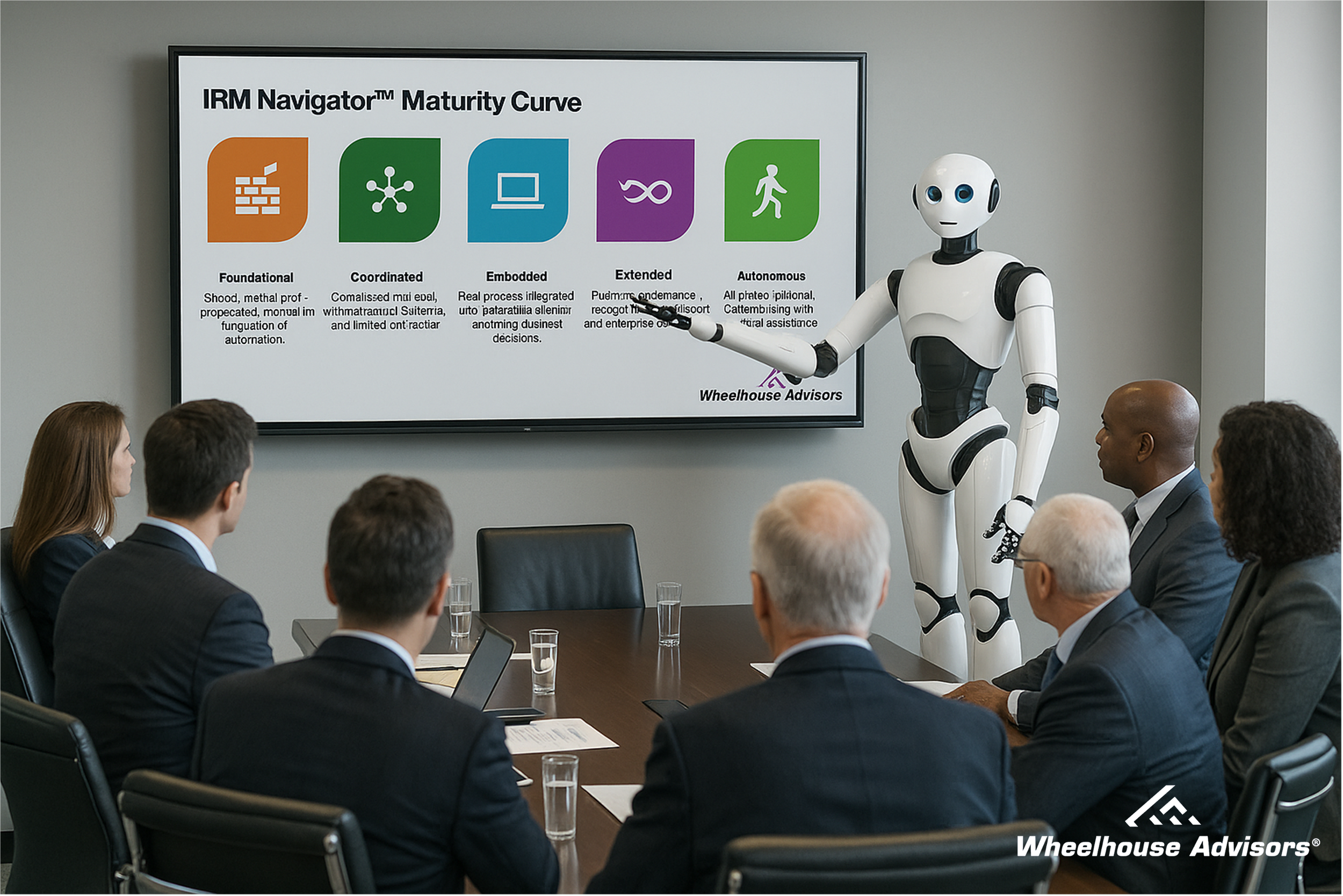
The Strategic Blind Spot: Closing the Boardroom Gap in AI Risk Oversight
Our recent research on audit committees revealed a stark reality: boards are most concerned about oversight gaps in cybersecurity, privacy, and AI, yet few have the structures to address them effectively. The 2025 Audit Committee Survey Insights showed that nearly half of audit committees see AI oversight as an unresolved gap, while only a fraction claim primary responsibility. The conclusion was clear—AI has moved into the boardroom agenda, but governance has not caught up.
This companion note builds directly on that finding. Where the audit committee analysis highlighted AI as part of a broader oversight deficit, here we focus on AI risk oversight itself. Drawing on new data from Infosys’s global survey of 1,500 executives, we examine why AI oversight remains fragmented, how the gap manifests in practice, and what boards and senior executives must do to close it.