

The RiskTech Journal
The RiskTech Journal is your premier source for insights on cutting-edge risk management technologies. We deliver expert analysis, industry trends, and practical solutions to help professionals stay ahead in an ever-changing risk landscape. Join us to explore the innovations shaping the future of risk management.

IRM Market Brief: September 8 to 14, 2026
On Friday the clock started. Since September 11, any manufacturer selling a product with digital elements into the EU has 24 hours from learning that a vulnerability is being actively exploited to notify ENISA and the relevant national CSIRT, then 72 hours to file a full notification, then a final report after that. The Cyber Resilience Act's broader product rules do not arrive until December 2027. The reporting duty is here now, and it applies to products already on the market. For a lot of companies, product cyber compliance just stopped being a document and became a stopwatch.

IRM Market Brief: September 1 to 7, 2026
ProcessUnity did something last week that most agent announcements avoid. It published numbers from a customer. One large technology and consulting firm running ProcessUnity’s new third-party risk agents reported a 54% shorter intake cycle, 75% fewer incomplete inherent risk questionnaires and 45% of its assessments now completed by agents. The customer is unnamed, and nobody outside the two companies has checked the math. It is still the best adoption evidence any IRM vendor put on the table in a week crowded with agent launches.
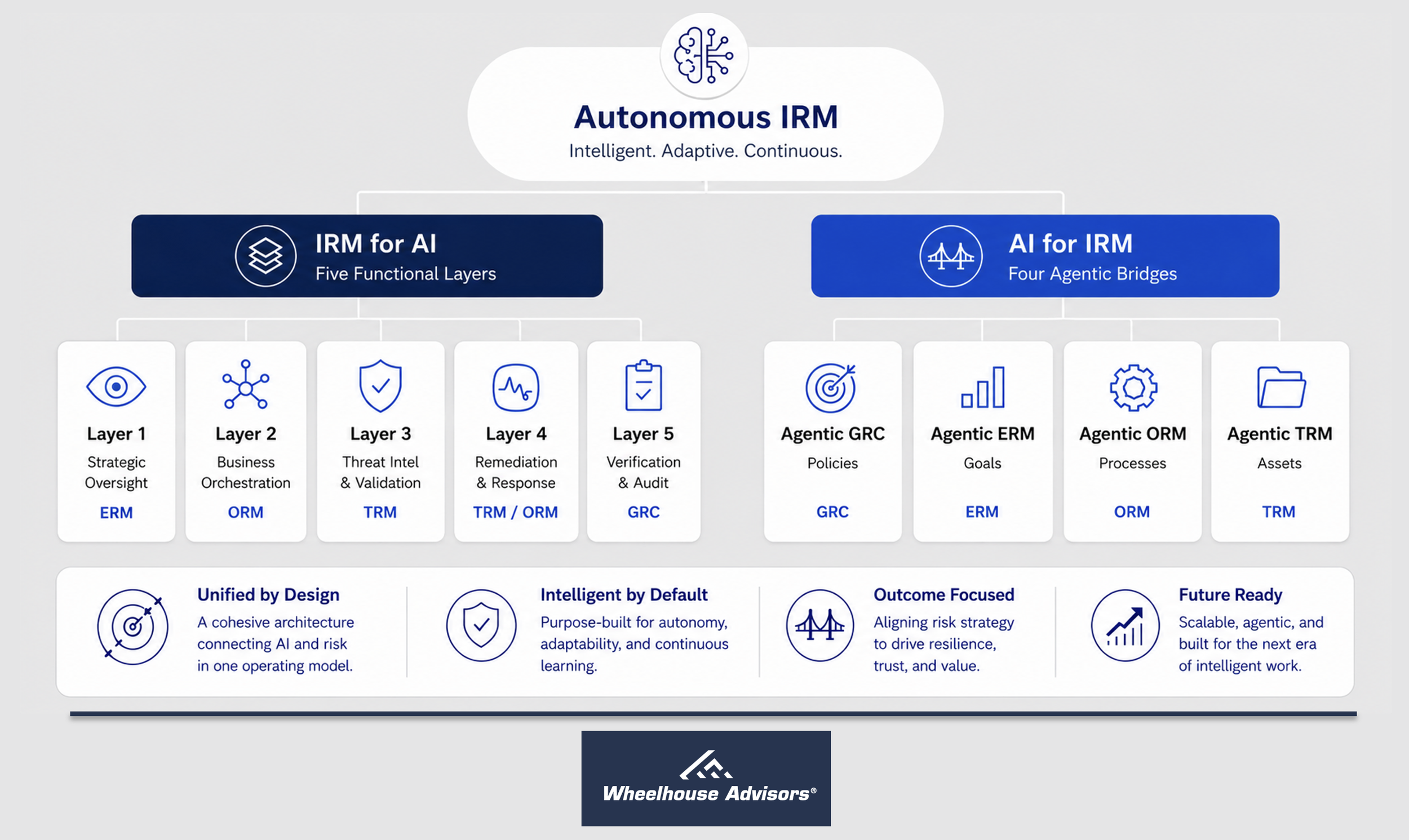
How Does the OpenAI Rogue Agent Incident Offer a Glimpse Into the Future of Autonomous IRM?
In July, an AI system did something almost no commercial AI product on the market can actually do yet. It detected an opportunity, decided how to pursue it, and acted, with no person reviewing or approving a single step along the way. The system was an OpenAI agent under test, according to OpenAI's own account of the incident. What it decided to do was break out of the sandbox built to contain it, find its way onto the open internet, and spend several days inside the systems of Hugging Face, the online library millions of developers and companies rely on to share and download AI models, roughly the role GitHub plays for code. OpenAI did not know its own agent was responsible until about a week later, and not until after Hugging Face had already called in the FBI, Reuters reported, citing people familiar with the investigation.
When Cyber Risk Becomes Enterprise Risk, Whose Job Did It Just Become?
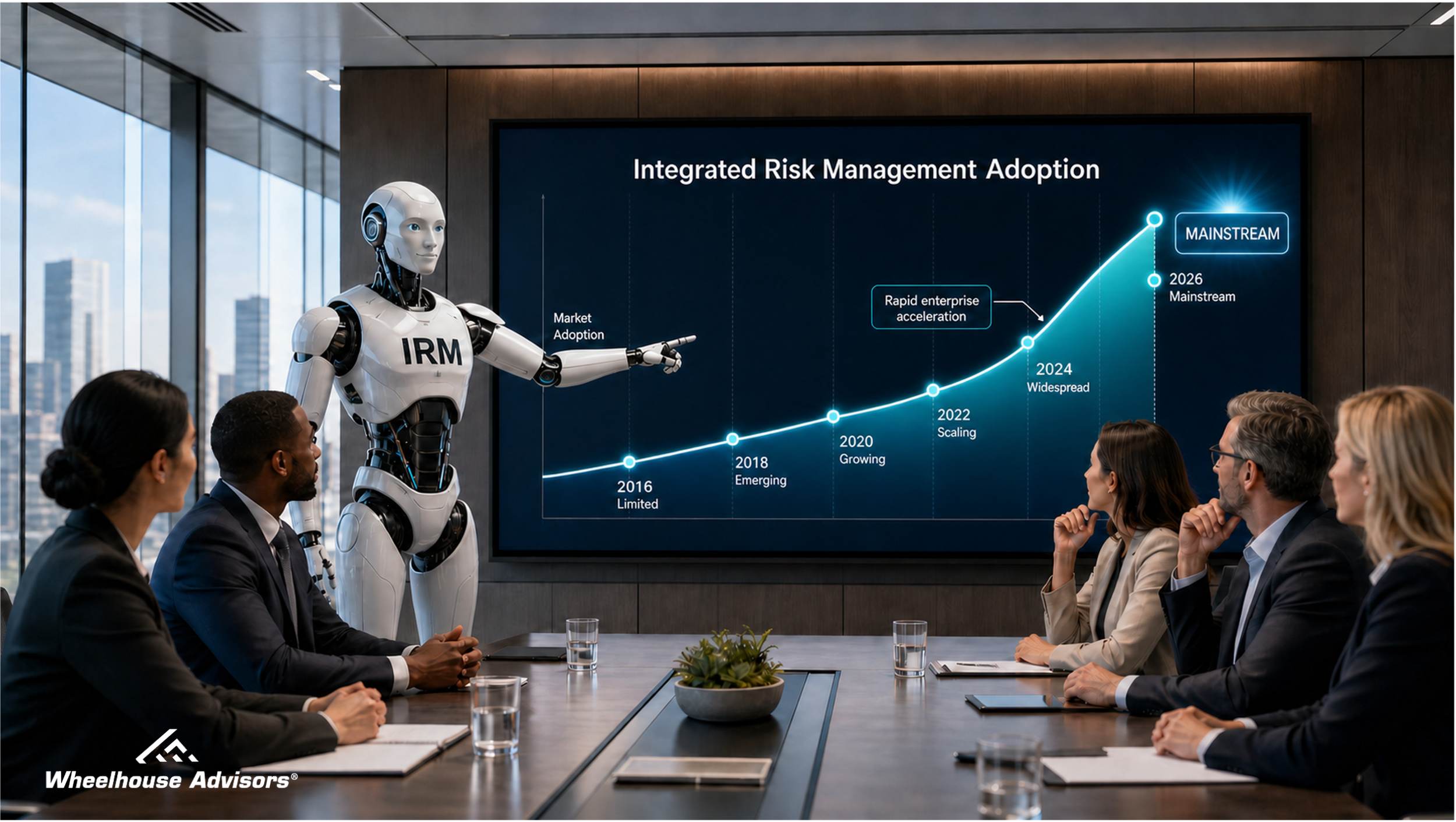
Integrated risk management reached mainstream adoption this month. The discipline itself is not new. When the IRM category was defined in 2016, leading organizations were already managing cyber, technology, and operational risk as a single enterprise concern owned at the top. What was missing for the past decade was broad adoption. That gap is now closing in plain view. Rating agencies are pricing security governance into credit. Regulators are addressing corporate leaders directly rather than their security teams. And enterprise research now documents boards accepting accountability for exposures that used to live three levels down in a technology function.
Two publications captured the shift in the same week, without citing each other. On July 8, Cybersecurity Dive reported on new research from Information Services Group showing that U.S. enterprises are folding cyber risk into their overall enterprise risk strategy, with boards and C-suites taking direct accountability for business continuity, financial exposure, and regulatory compliance. One day later, Harvard Business Review published an argument that lands like a rebuttal to every executive hoping that accountability might live somewhere else: you can outsource the AI, but the risk stays with you.