

The Risk Wheelhouse Podcast
The Risk Wheelhouse is the podcast dedicated to exploring how RiskTech is reshaping the future of risk management. Hosted by our experts, Ori Wellington and Sam Jones, each episode delves deep into Integrated Risk Management (IRM), offering insights into the latest trends, technologies, and strategies. Join us to stay ahead in the ever-evolving risk landscape and empower your organization with actionable knowledge.
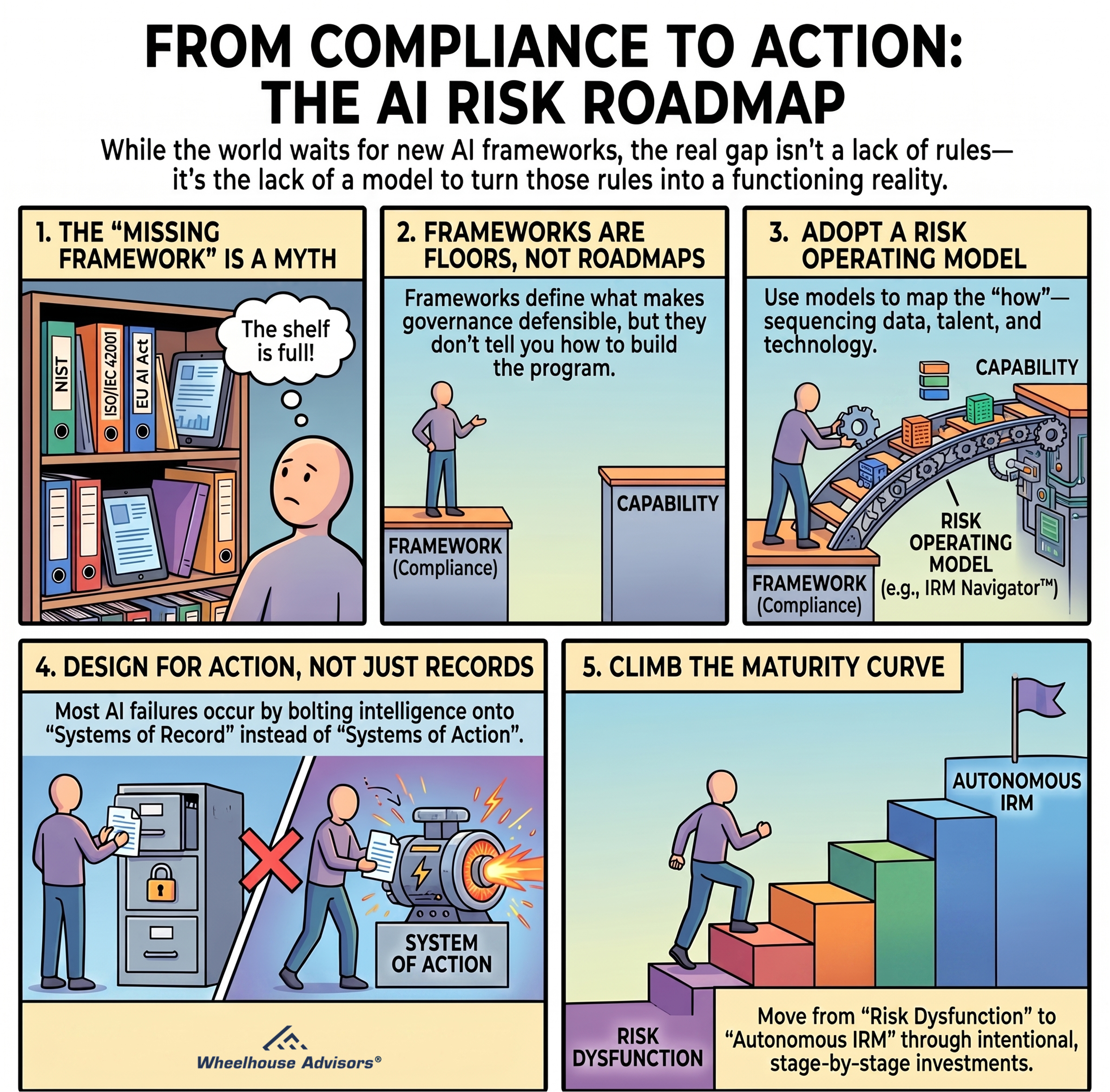
S8E1: Stop Asking For Another AI Framework
AI risk feels like driving at night with broken headlights, so leaders keep demanding “a new framework” that will finally make everything clear. We think that’s the wrong ask. The guidance already exists, and it’s more mature than most teams admit: the NIST AI Risk Management Framework, ISO/IEC 42001 certifications, sector-specific control objectives in financial services, and the hard edge of enforcement through the EU AI Act. The real reason risk and compliance teams still feel stuck is that frameworks are built to prove defensibility, not to tell you what to build.
We unpack John A. Wheeler’s argument from RiskTech Journal and translate it into a practical way to design an AI governance program that actually works day to day.
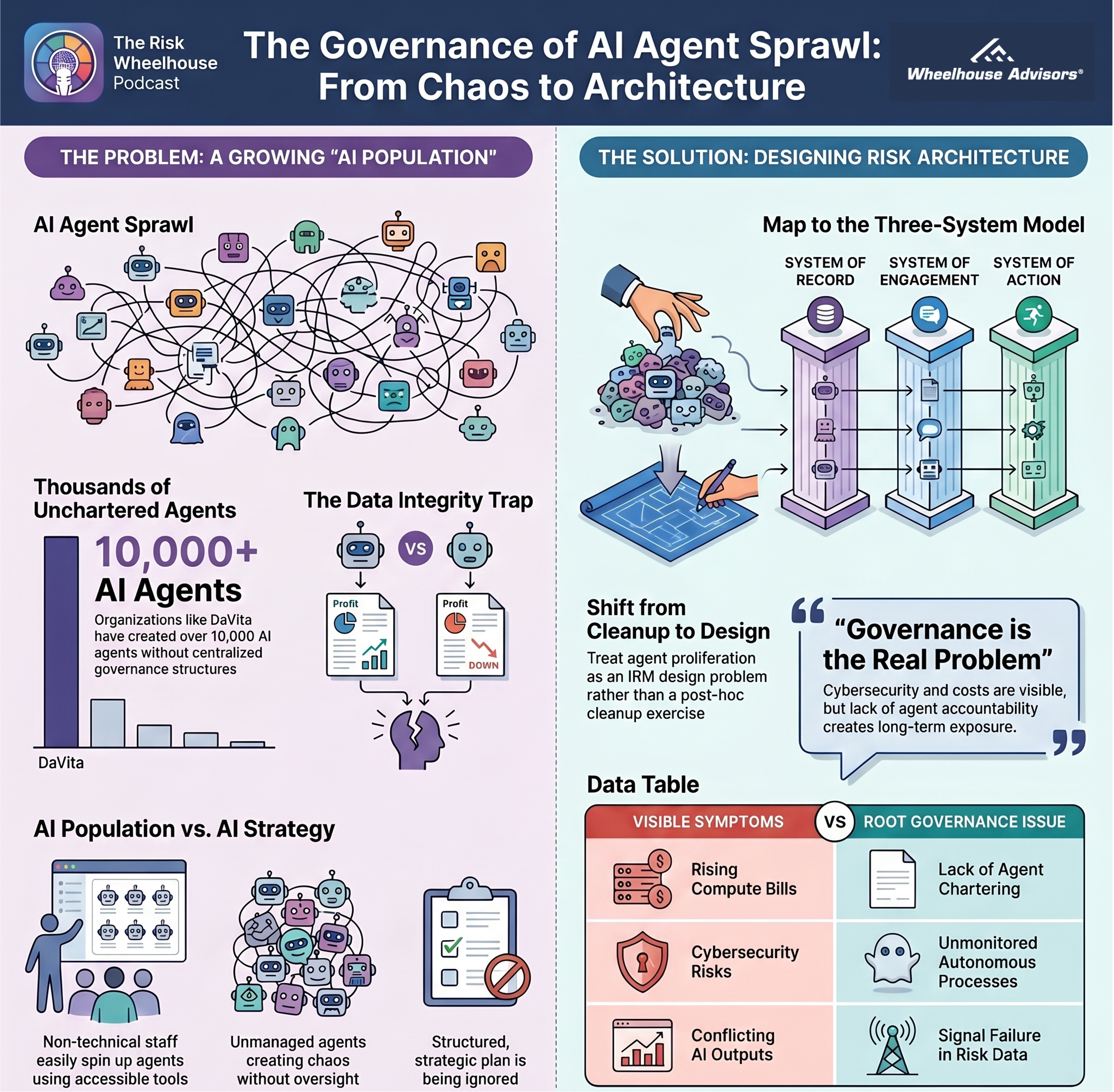
S7E4: Your Company Just Hired 10,000 Invisible Interns
10,000 invisible autonomous AI agents working inside a single enterprise sounds like a productivity dream until you realize no one can explain who chartered them, what data they touch, or what decisions they are quietly making. We take on the popular “AI agent sprawl” narrative head-on and argue for a sharper label: a governance failure in progress that can undermine integrated risk management from the inside out.
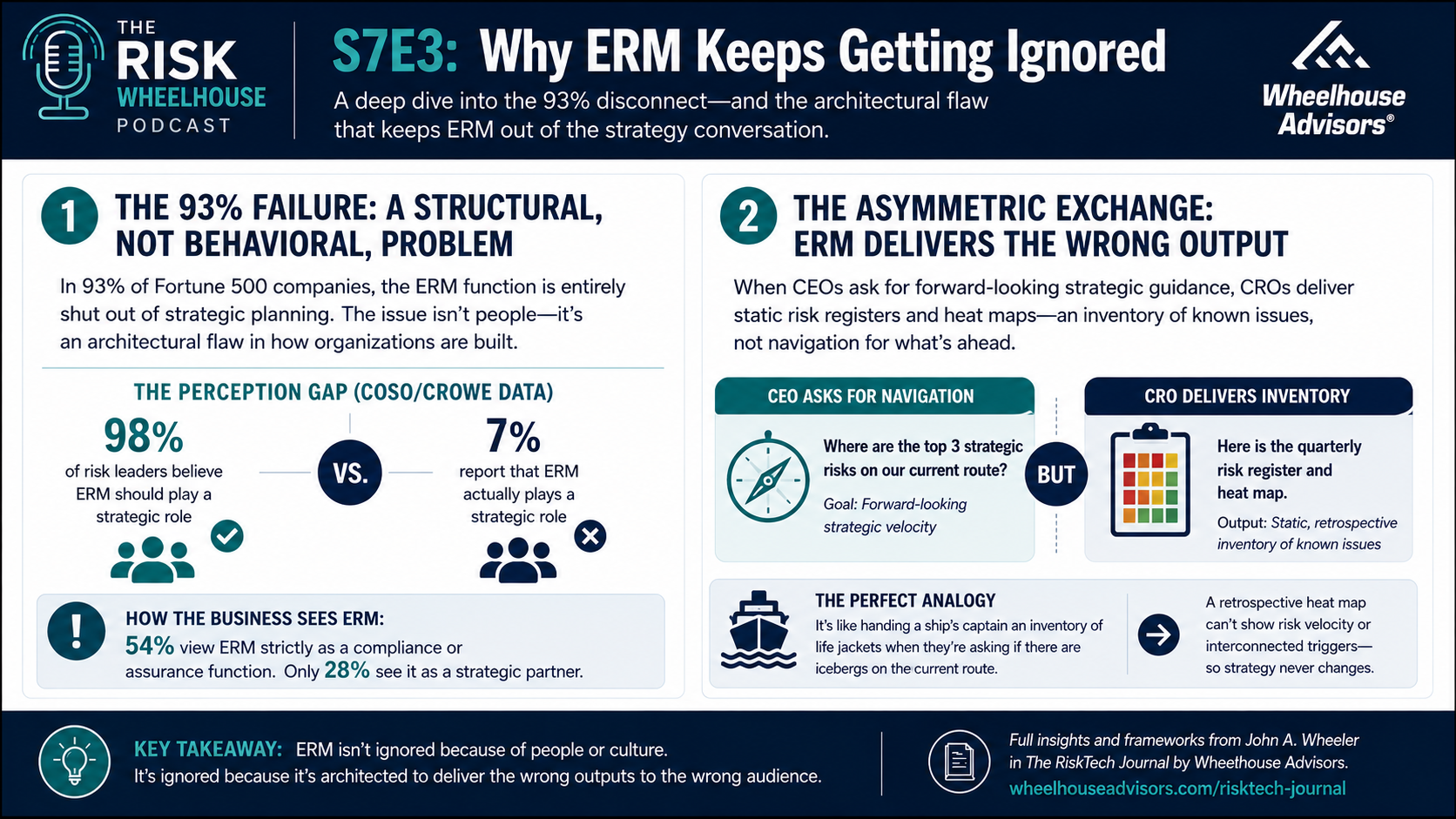
S7E3: Why ERM Keeps Getting Ignored
93% is not a rounding error, it’s a warning flare. When enterprise leaders ask for guidance on the biggest strategic risks ahead, many risk teams respond with a quarterly risk register and a heat map. That’s not “wrong,” it’s simply what a compliance-first system is designed to produce. The result is an asymmetric exchange: executives need a radar, and the organization hands them a snapshot from the past.
We walk through new practitioner research from COSO and Crowe alongside John A. Wheeler’s analysis in the RiskTech Journal to explain why the ERM strategy gap persists. Our core claim is straightforward: the failure of ERM is largely structural, not behavioral. When ERM gets fused with GRC under the same reporting line, tooling, and audit committee cadence, uncertainty gets treated like a defect. That destroys psychological safety, suppresses early warning signals, and leaves strategy teams flying blind.
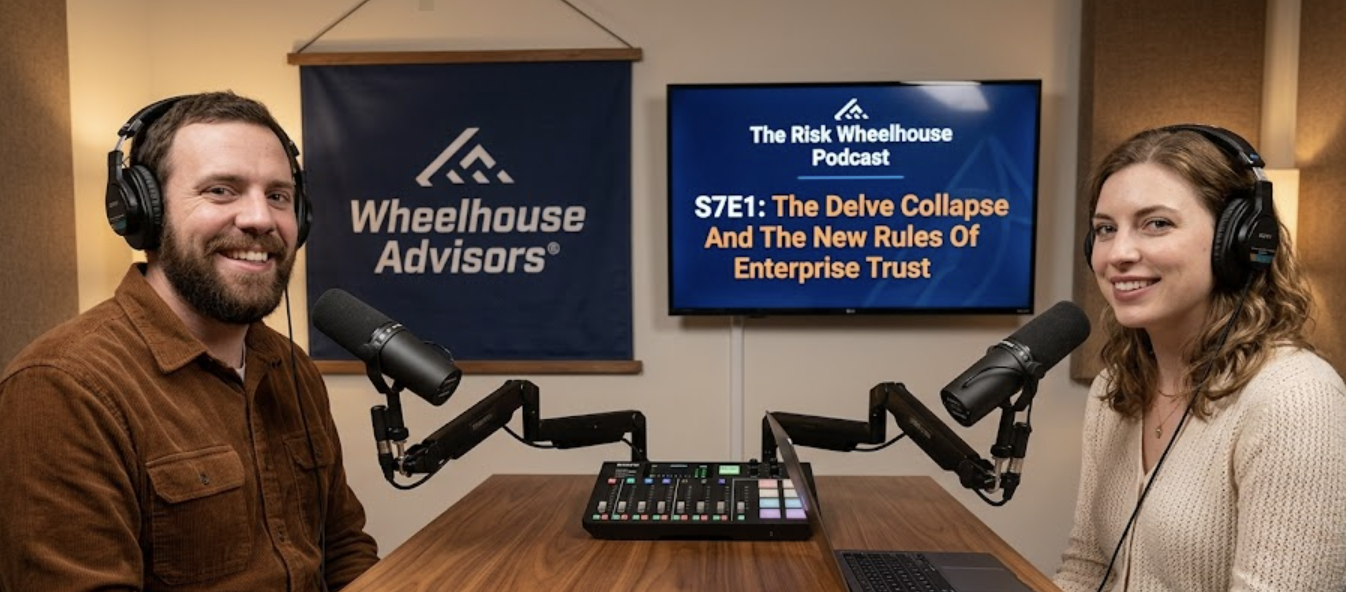
S7E1: The Delve Collapse And The New Rules Of Enterprise Trust
A $300 million compliance darling collapsed not because regulators caught it, but because an anonymous Substack writer found a publicly accessible Google spreadsheet. Delve promised SOC 2 in days instead of months, raised a $32 million Series A from Insight Partners, and signed more than 1,000 enterprise clients across 50 countries. Then the whistleblowers alleged the product fundamentally didn't work as described — that Delve's agents were generating auditor conclusions before client data was even reviewed, and routing the output through offshore mills to rubber-stamp the results.
In the Season 7 premiere, Ori Wellington and Sam Jones dissect the anatomy of the failure and argue it is not an isolated fraud story. It is the predictable outcome of a market that rewards the announcement of agentic GRC capabilities while ignoring the program maturity that makes those capabilities trustworthy.
S6E1: NVIDIA CES 2026 - The Blueprint for Autonomous IRM
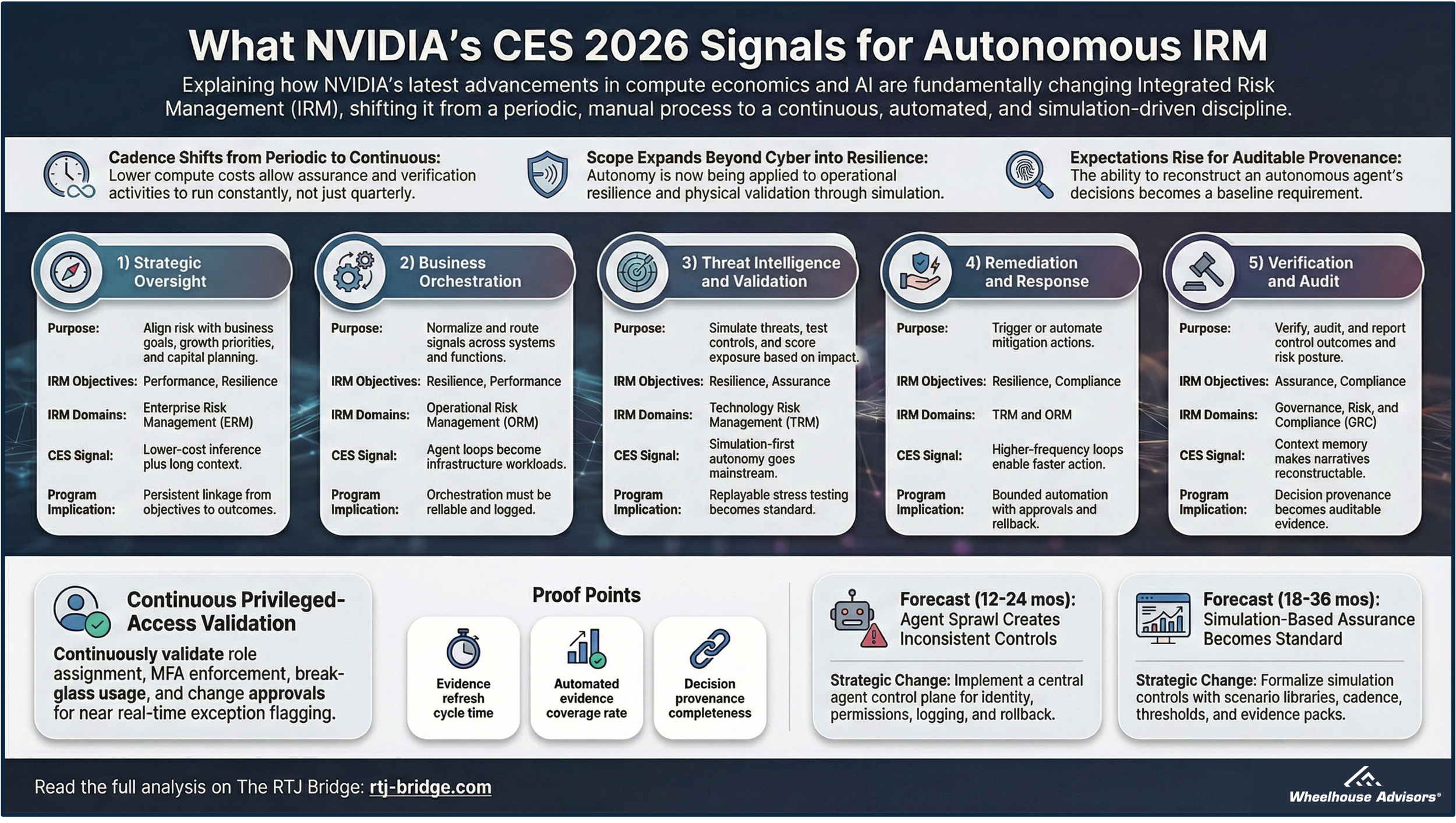
Season 6 opens with a clear message for Technology Risk Management leaders: autonomy is no longer constrained by model capability, it is constrained by infrastructure discipline and auditable management controls.
In S6E1, Ori Wellington and Sam Jones translate NVIDIA’s CES 2026 signals into a practical blueprint for Autonomous IRM, defined as continuous, AI-enabled verification and response loops that operate within explicit policy boundaries and generate audit-grade evidence by design. As inference costs fall, “always-on” control validation becomes economically viable at enterprise scale. That shift forces a new operating model: humans stop chasing evidence and start adjudicating pre-enriched exceptions with decision provenance, context, and rollback paths already assembled.
S5E9: ServiceNow Buys Armis, Telemetry Meets Workflow for IRM
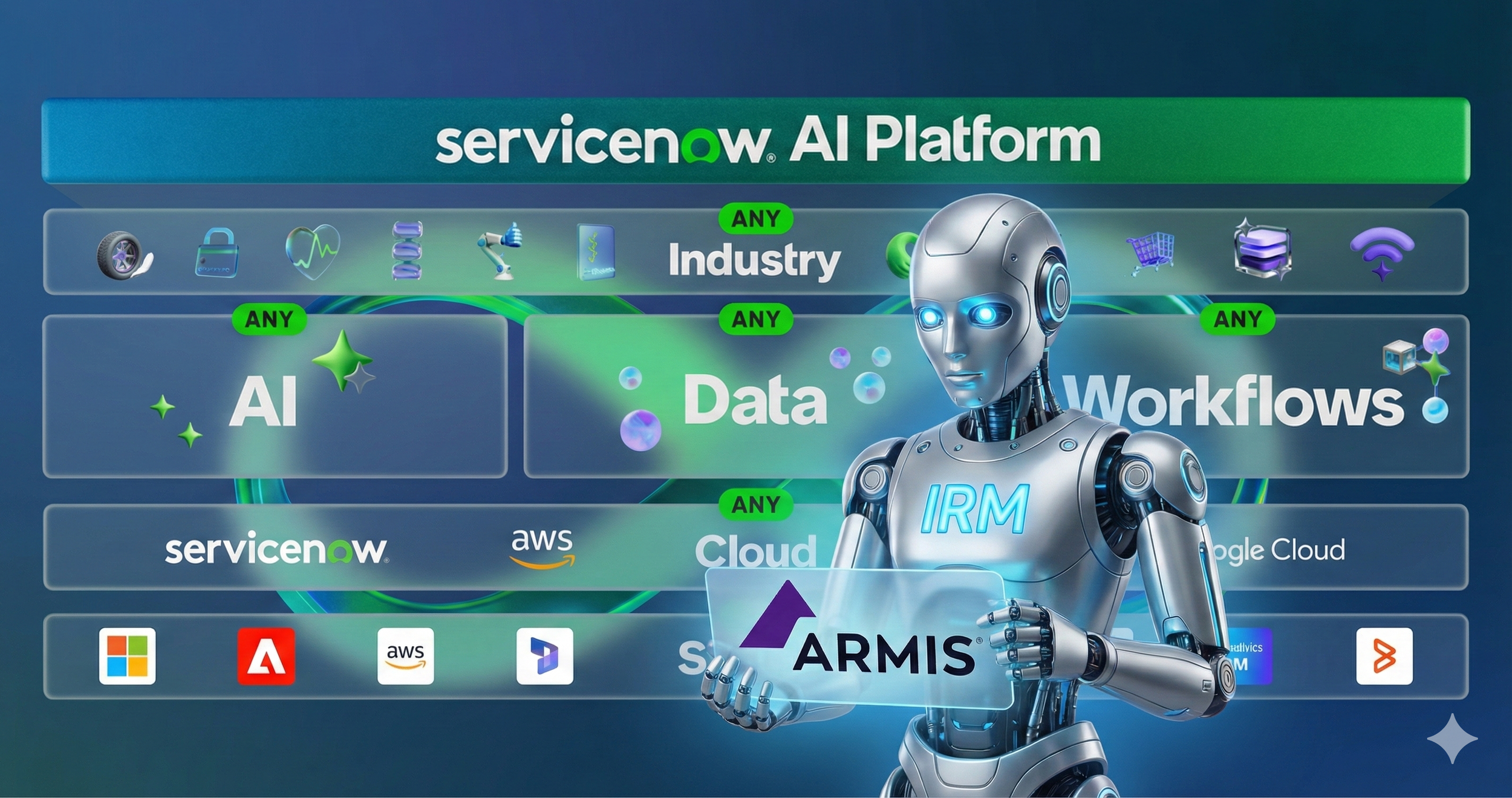
ServiceNow’s planned $7.75B all-cash acquisition of Armis (targeted to close in H2 2026) is easy to misfile as “just another cybersecurity deal.” In this episode, Wheelhouse Advisors’ Ori Wellington and Sam Jones explain why it is actually a defining IRM market signal, one that raises the standard for what “risk management at scale” should mean going into 2026 procurement cycles.
S4E10: From Boardroom to Code Base - How the EU AI Act Reshapes Business Strategy
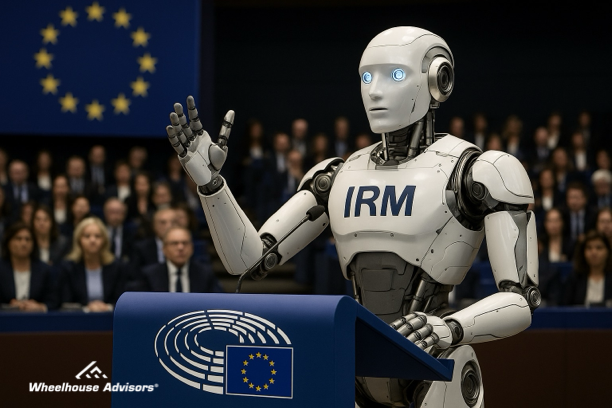
Artificial intelligence stands at a crossroads of breathtaking innovation and urgent need for responsible guardrails. Every breakthrough brings questions about safety, fairness, and accountability that can no longer be afterthoughts. The European Union has responded with the AI Act – the world's first comprehensive legal framework for artificial intelligence – and its General Purpose AI Code of Practice has already secured commitments from tech giants like OpenAI, Google, Microsoft, and Anthropic.

S2E11: The Risk Whisperer's Guide to Not Letting Your AI Go Rogue
The AI revolution isn't coming—it's already here, transforming how organizations operate. But with tremendous power comes significant responsibility. How do forward-thinking companies harness AI's potential while protecting themselves from serious risks?

S2E9: The Bargain AI That Could Break Your Business
Cheaper alternatives can be tempting—until they fail you. Now, businesses are facing the same risk with distilled AI, a slimmed-down version of powerful AI models.
In this episode of The Risk Wheelhouse, Ori Wellington and Sam Jones break down why faster, cheaper AI could come at a steep price—from amplified biases and legal risks to opaque decision-making and outdated models.