

The RiskTech Journal
The RiskTech Journal is your premier source for insights on cutting-edge risk management technologies. We deliver expert analysis, industry trends, and practical solutions to help professionals stay ahead in an ever-changing risk landscape. Join us to explore the innovations shaping the future of risk management.
Subscribe for notifications when new RiskTech Journal articles and research updates are published.
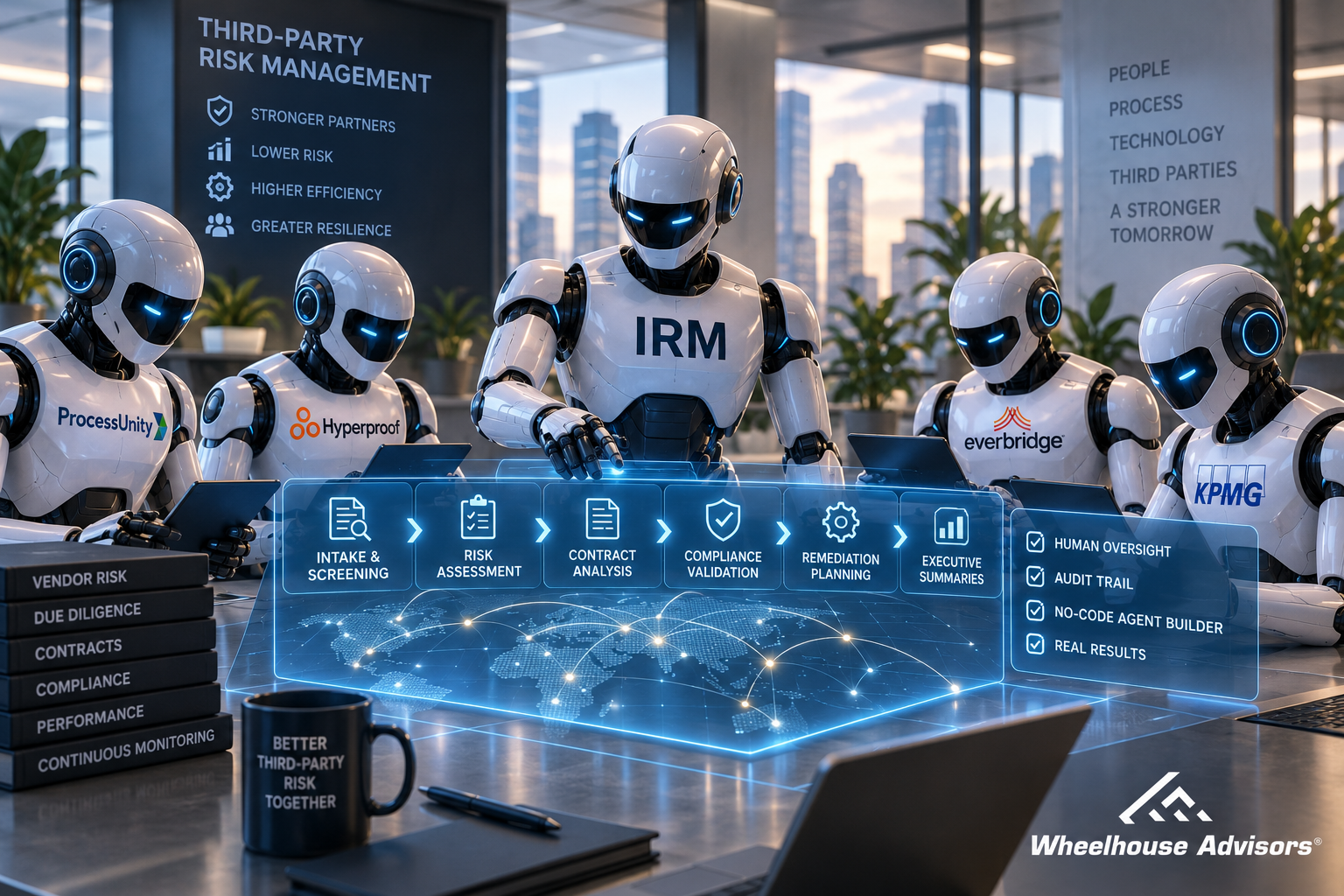
Will AI Agents Make Third-Party Risk Management Smarter, or Just Faster?
ProcessUnity said this week that one early customer, a large global technology and consulting firm, has cut third-party intake cycle time by 54%, improved assessment throughput by 43%, and reduced incomplete inherent-risk questionnaires by 75% since putting AI agents to work. Those are vendor-supplied numbers from a single early adopter and deserve to be read that way. But the size of the numbers is not the story. The story is the kind of work the agents are being allowed to do.

Congressional scrutiny shifts from AI safety principles to evidence of control effectiveness
On August 10, House Democrats sent separate letters to OpenAI and Anthropic concerning recently disclosed incidents in which AI agents obtained access to external systems during cybersecurity evaluations.
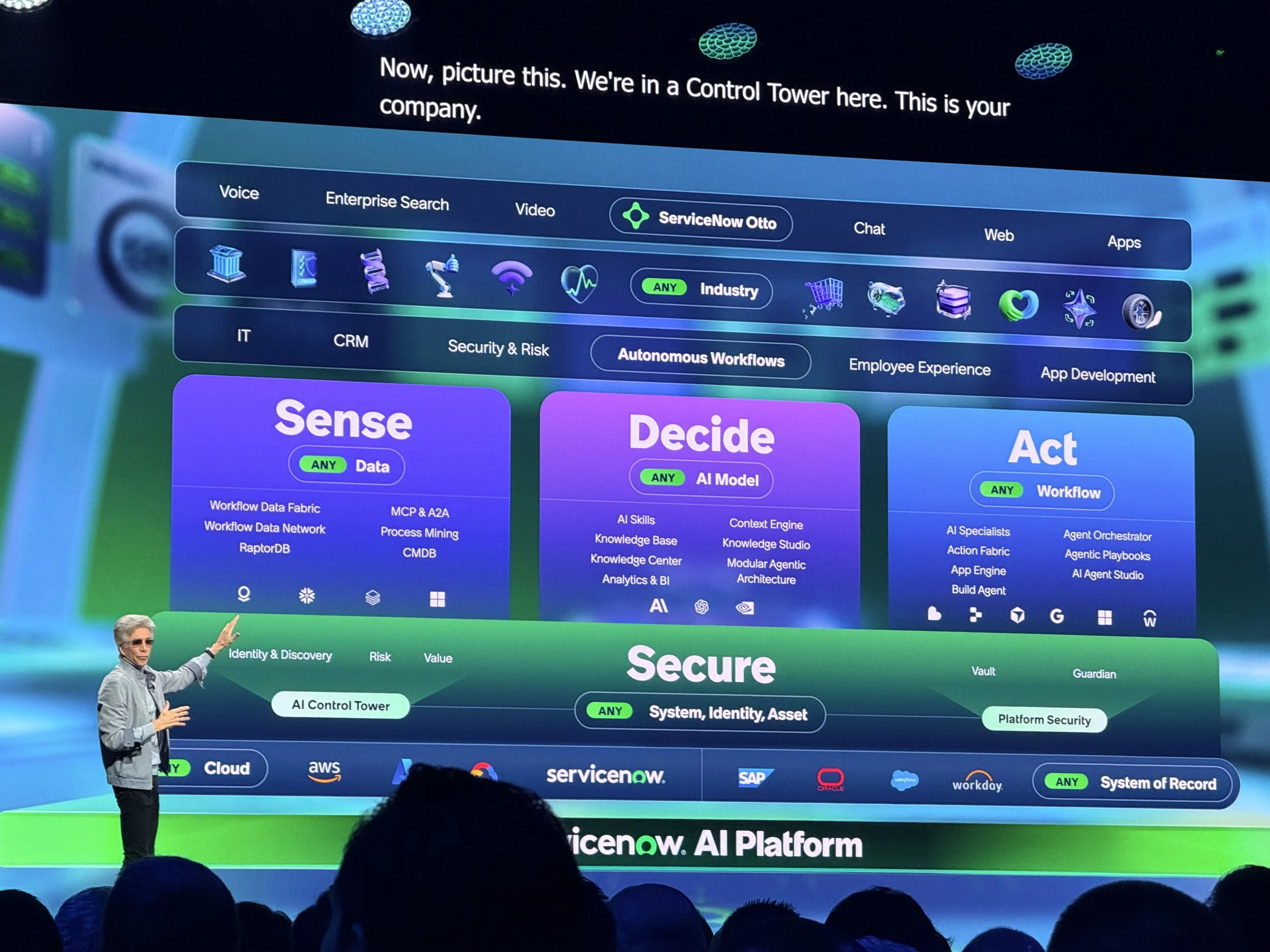
What ServiceNow Just Announced Is Bigger Than a Security Story
ServiceNow announced Autonomous Security and Risk on Tuesday morning, integrating its recent acquisitions of Armis and Veza into the ServiceNow AI Platform under what the company calls the AI Control Tower. The press release framed the launch as a way to govern every AI agent, identity, and connected asset across the enterprise. I am writing from Knowledge ’26 in Las Vegas, where the announcement landed in the opening keynote and where the architectural ambition behind it has been on display all week.
The first-wave coverage is reading the announcement as a security story. The Armis acquisition closed two weeks ago, the Veza integration extends identity controls to the AI agents now operating inside enterprises, and a new generation of what ServiceNow calls AI specialists handles vulnerability remediation and security operations end to end. Those elements are real, and the security framing is not wrong. It is incomplete. What ServiceNow has actually announced is the first complete commercial architecture for governing the autonomous enterprise. We have been writing about the emergence of this category, autonomous integrated risk management (IRM), in The RiskTech Journal (RTJ) since October 2024.
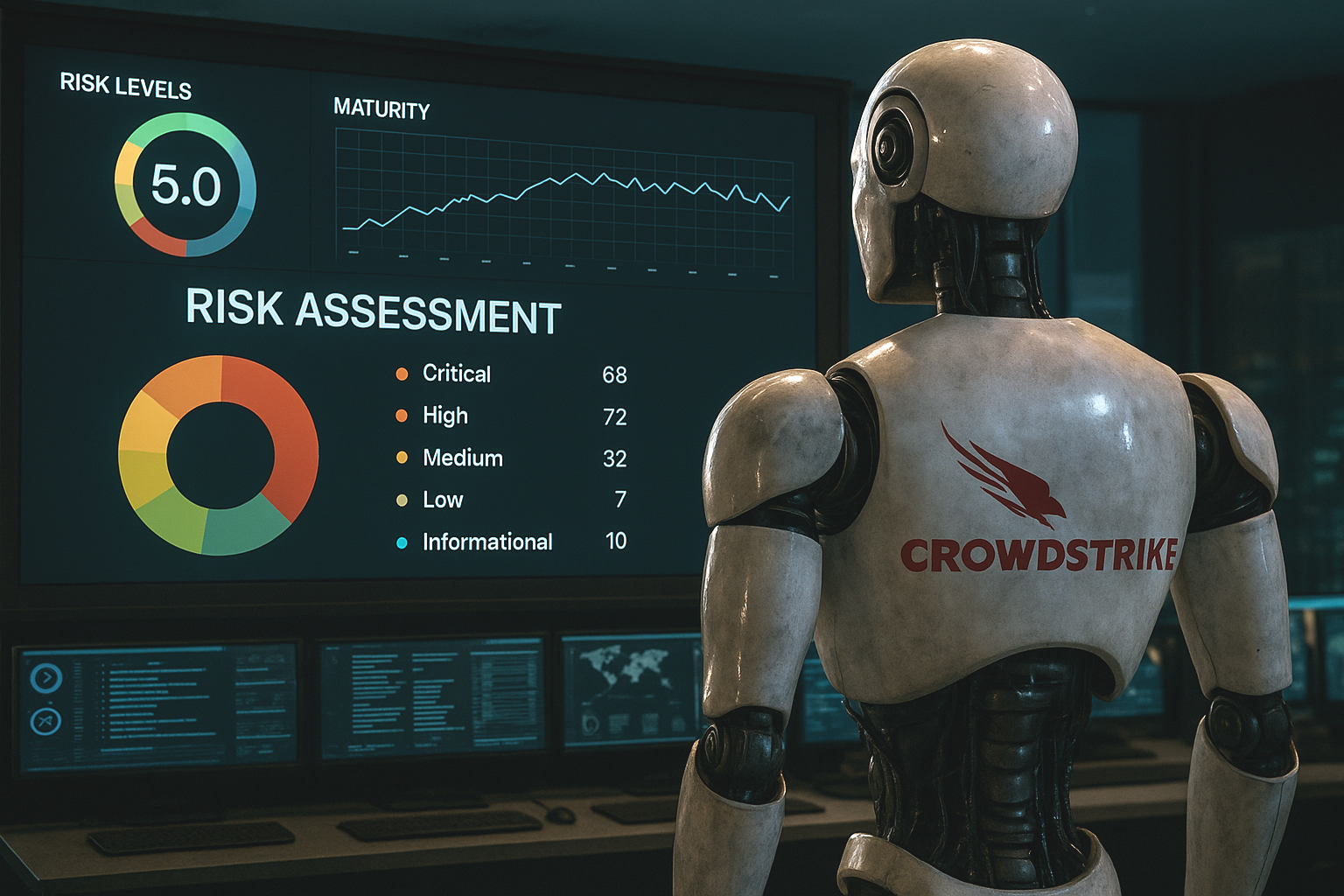
How CrowdStrike’s Agentic AI Accelerates Autonomous IRM
CrowdStrike’s launch of Charlotte AI—its agentic AI architecture now embedded within the Falcon platform—marks a decisive shift in how risk is not only detected, but addressed. With its triad of capabilities (Agentic Detection Triage, Agentic Response, and Agentic Workflows), Charlotte introduces a new operating model: one where AI systems autonomously assess, act, and learn within predefined parameters.
The implication for Integrated Risk Management (IRM) is profound. These are not just smarter alerts or faster forensics. They are machine-initiated decisions with immediate governance, compliance, and operational consequences. And that demands a new framework—one that aligns autonomous action with enterprise risk oversight.